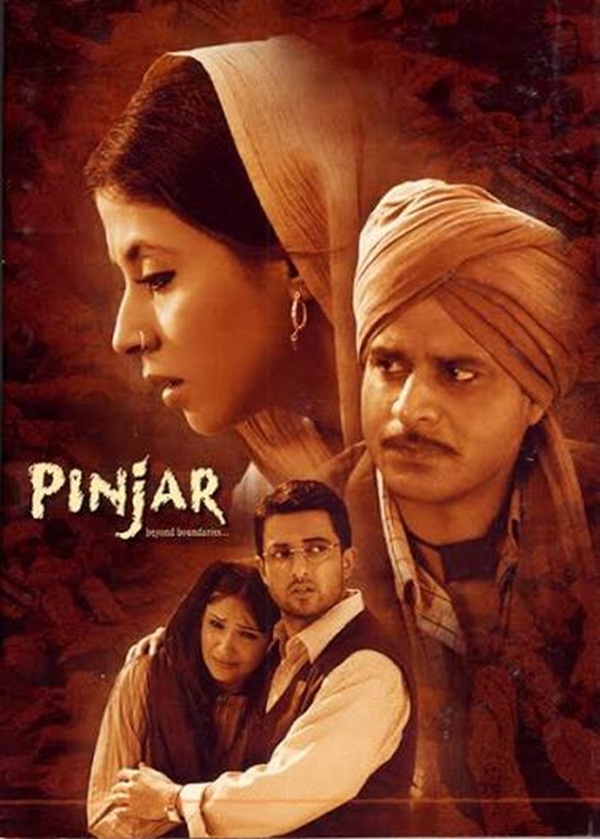
Pinjar
Fun Facts of Movie
Pinjar Movie Review: A Tragic Romance of Partition
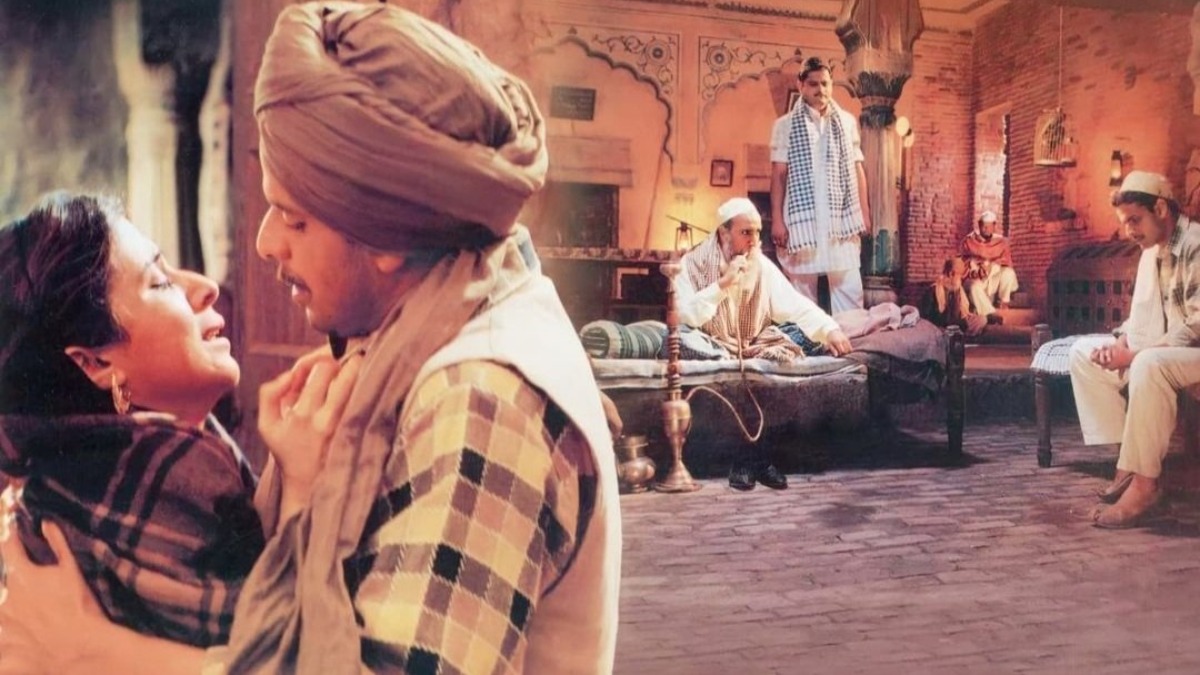
What happens when family honor matters more than a daughter’s safety? Pinjar asks that painful question through Puro, a young woman whose life is destroyed by revenge, communal hatred, and the violence of the 1947 Partition.
Directed by Chandraprakash Dwivedi and based on Amrita Pritam’s Punjabi novel, this 2003 Hindi historical drama is much more than a love story. The review below discusses major plot events, including spoilers, while examining the film’s romance, performances, historical setting, treatment of women, and lasting emotional force.
Key Takeaways
- Pinjar is a tragic Partition drama, not a conventional romance.
- Urmila Matondkar gives Puro fear, grief, and strength without overplaying her emotions.
- Manoj Bajpayee makes Rashid morally disturbing, guilty, and difficult to forgive.
- The film examines family honor, religious identity, forced marriage, and women’s limited choices.
- Its slow pace and bleak subject matter demand patience, but the historical drama remains worth watching.
What Is Pinjar About? A Romance Shaped by Partition
Set around August 1946 in Amritsar and later across divided Punjab, Pinjar follows Puro, a Hindu woman engaged to Ramchand. Her future appears settled until Rashid kidnaps her because of an old feud between their families.
Puro escapes and returns to her parents, expecting protection. Instead, her family rejects her because they fear social shame. With nowhere safe to go, she returns to Rashid. He forces her into marriage, and she becomes Hamida after converting to Islam.
The story then moves toward the Partition, when violence tears communities apart, and families disappear across new borders. Puro eventually risks her life to help Laajo, a woman connected to her former family, escape from captivity.
The title translates as “The Cage.” Puro is trapped by Rashid, by her parents’ idea of honor, by religious labels, and by the violence surrounding Punjab. The cage is physical, social, and emotional.
For basic cast and production details, IMDb’s Pinjar film listing provides a useful reference.
Puro’s Painful Journey From Family Home to Forced New Life
Puro’s tragedy begins before she understands how completely her choices have vanished. Rashid’s kidnapping is an act of revenge, and the film never presents it as a romantic gesture. His past explains his anger, but it doesn’t excuse the harm he causes.
Her parents’ response makes the situation even more cruel. They treat Puro’s experience as a stain on the family rather than a crime committed against their daughter. When she returns, they worry about reputation, marriage prospects, and public judgment. Her safety becomes secondary.
That rejection exposes the social stigma placed on women who survive sexual violence or abduction. Puro loses her home because others decide that she has lost her purity. The film’s most painful idea is simple: the people who should protect her become another wall around her.
How the Film Connects Personal Conflict With Partition Trauma
The feud between Puro’s and Rashid’s families begins as a private grievance. As communal violence spreads, however, the feud becomes part of a much larger collapse. Hindus and Muslims are pushed into opposing groups, homes are abandoned, and familiar roads become dangerous.
Puro’s suffering gives the Partition a human face. Political borders may divide Punjab on paper, but the film focuses on what those borders do to ordinary people. Families lose children, women are abducted, and identity becomes a matter of survival.
Puro’s decision to help Laajo also changes the meaning of her story. She cannot recover the life taken from her, but she can prevent another woman from being abandoned. Her action does not erase her pain. It shows that compassion can survive even after revenge and hatred have shaped everything around her.
Pinjar Movie Review: Performances That Carry the Emotional Story
The film depends on its actors because Puro’s inner life often appears through silence. Urmila Matondkar carries that burden with control, while Manoj Bajpayee gives Rashid a disturbing moral conflict.
Sanjay Suri brings warmth and decency to Ramchand, which makes Puro’s lost future feel personal rather than abstract. Priyanshu Chatterjee gives Trilok an important mix of anger, loyalty, and helplessness. Sandali Sinha makes Laajo’s suffering immediate, especially as the Partition turns her into another displaced woman.
Lillete Dubey and Kulbhushan Kharbanda are effective as Puro’s parents. Their performances avoid easy villainy. They love their daughter, yet their fear of society leads them to make a devastating choice. That contradiction makes their rejection more painful.
The supporting cast adds weight to the world around Puro. No performance turns the film into a simple moral fable, and that restraint helps the drama retain its seriousness.
Urmila Matondkar Gives Puro Controlled Strength
Matondkar’s performance is strongest when Puro cannot say what she feels. Her expressions register fear before her body moves. Her silences communicate humiliation, anger, and exhaustion without long speeches.
Puro doesn’t suddenly become fearless. Instead, Matondkar shows a woman learning to make decisions inside a life controlled by other people. Her strength develops through survival, not through dramatic declarations.
That approach fits the film’s focus on limited agency. Puro’s choices are often narrow, but they still matter. When she helps Laajo, the moment carries force because it comes from someone who understands abandonment better than anyone else.
Manoj Bajpayee Makes Rashid Complicated, Not Easy to Forgive
Rashid is one of the film’s hardest characters to judge. He kidnaps Puro as revenge for an ancestral wrong, then lives with the consequences of his action. Bajpayee shows his guilt through hesitation, discomfort, and changes in his treatment of Puro.
Still, the character’s remorse never cancels the original crime. Rashid’s later care for Puro may make him more human, but it doesn’t make the kidnapping acceptable. Bajpayee protects that discomfort instead of asking the audience to offer easy forgiveness.
His performance gives the film its most difficult emotional question: can a person who causes terrible harm change? Pinjar allows the answer to remain incomplete. Rashid may seek redemption, but Puro is not required to forget what he did.
The Themes, Visual Style, and Music That Define Pinjar
The film’s main themes include lost identity, religious conversion, family honor, women’s agency, and the possibility of redemption. Puro is repeatedly renamed and reclassified, yet her inner self doesn’t disappear. The conflict between who she is and what others call her gives the story much of its emotional pressure.
The divided Punjab setting feels dusty, tense, and unstable. Santosh Thundiyil’s cinematography uses muted colors and open spaces that rarely feel free. Roads, courtyards, and homes carry the threat of sudden violence.
Uttam Singh’s music supports the drama without turning every scene into a spectacle. Gulzar’s lyrics add sorrow and reflection, while the film’s serious tone keeps the Partition from becoming decorative melodrama. Its focus remains on people rather than grand historical images.
The film received the National Film Award for Best Feature Film on National Integration, and Bajpayee won a Special Jury Award. The film’s published background and awards offer additional context.
Why the “Cage” Metaphor Works So Well
Puro’s cage changes shape throughout the film. First, Rashid locks her inside a house. Then her parents close the door by refusing to accept her. Society adds another barrier by treating her as damaged.
Religion becomes another source of confinement when Puro is forced to become Hamida. During Partition, even the idea of home becomes unstable. A person may belong to a family, a faith, or a village, yet still lose everything when violence decides who has the right to stay.
The metaphor also reaches Rashid and others around Puro. Rashid remains trapped by inherited revenge. Families remain trapped by honor and fear. That wider meaning keeps Pinjar from becoming only one woman’s tragedy.
Where the Slow Pace and Heavy Drama May Not Work
The film runs for more than three hours, and its pace can test viewers. Long dramatic scenes sometimes repeat the emotional weight of events rather than moving the plot forward.
Its mood is also bleak. Kidnapping, forced marriage, communal violence, displacement, and family rejection leave little room for relief. Viewers expecting a light romance or a fast-moving historical thriller may find the experience demanding.
However, the measured pace gives Puro’s transformation room to develop. The film wants viewers to sit with consequences instead of rushing toward a neat ending. That choice won’t work for everyone, but it supports the story’s moral seriousness.
Is Pinjar Worth Watching Today? Final Verdict and FAQs
Yes, Pinjar is worth watching for viewers who value character-driven historical dramas and serious stories about Partition. Its performances are strong, its setting feels grounded, and its treatment of women’s suffering remains difficult in the right way.
This isn’t a happy romance. The relationship between Puro and Rashid grows out of violence, so the film should never be watched as a conventional love story. It is a tragedy about survival, responsibility, and the damage caused when honor becomes more important than humanity.
The film’s subject matter remains intense, and its length requires patience. Still, its emotional honesty gives it lasting value. A contemporary critical overview on Rotten Tomatoes’ Pinjar page also highlights the film’s focus on Partition’s pain and the loss caused by religious conflict.
Who Should Watch Pinjar?
Pinjar suits viewers interested in Indian literature, Partition history, Hindi historical dramas, and restrained performances. It will appeal to anyone who prefers difficult character studies over simple romantic resolutions.
The film includes kidnapping, forced marriage, religious conversion, sexual violence, communal violence, displacement, and family rejection. Viewers sensitive to those subjects should approach it with care.
Frequently Asked Questions About Pinjar
What is Pinjar about?
It follows Puro, a young woman kidnapped before Partition and rejected by her family when she tries to return. Her life changes as Punjab descends into communal violence.
Is Pinjar based on a true story or a book?
It is based on Amrita Pritam’s Punjabi novel Pinjar. The story is fictional, but it draws on the social realities and violence of the 1947 Partition.
Who plays Puro and Rashid?
Urmila Matondkar plays Puro, while Manoj Bajpayee plays Rashid.
Who directed the film?
Chandraprakash Dwivedi directed the 2003 Hindi film and wrote its screenplay.
What does Pinjar mean?
The word means “The Cage.” It describes Puro’s physical confinement and the social, religious, and emotional forces limiting her freedom.
Is the movie a happy romance?
No. Romance is part of the story, but the film is mainly a historical tragedy about violence, survival, and moral responsibility.
Is Pinjar worth watching?
Yes, if you can handle its slow pace and painful subject matter. Its performances and historical focus make it a strong choice for serious cinema fans.
This review covers the 2003 Hindi film. It should not be confused with the later Bengali film that also uses the title Pinjar.
Conclusion
Pinjar uses Puro’s tragic life to question family honor, revenge, religious division, and the treatment of women during Partition. Its story is painful because Puro is denied safety by both her enemies and the people who claim to love her.
The film isn’t an easy romance, but it is a thoughtful historical drama with strong work from Urmila Matondkar and Manoj Bajpayee. Its slow pace may challenge some viewers, yet its performances, historical depth, and refusal to offer simple forgiveness give Pinjar lasting relevance.