
Obsess
Fun Facts of Movie
Obsess 2026 Review: A Dark Hindi Survival Thriller
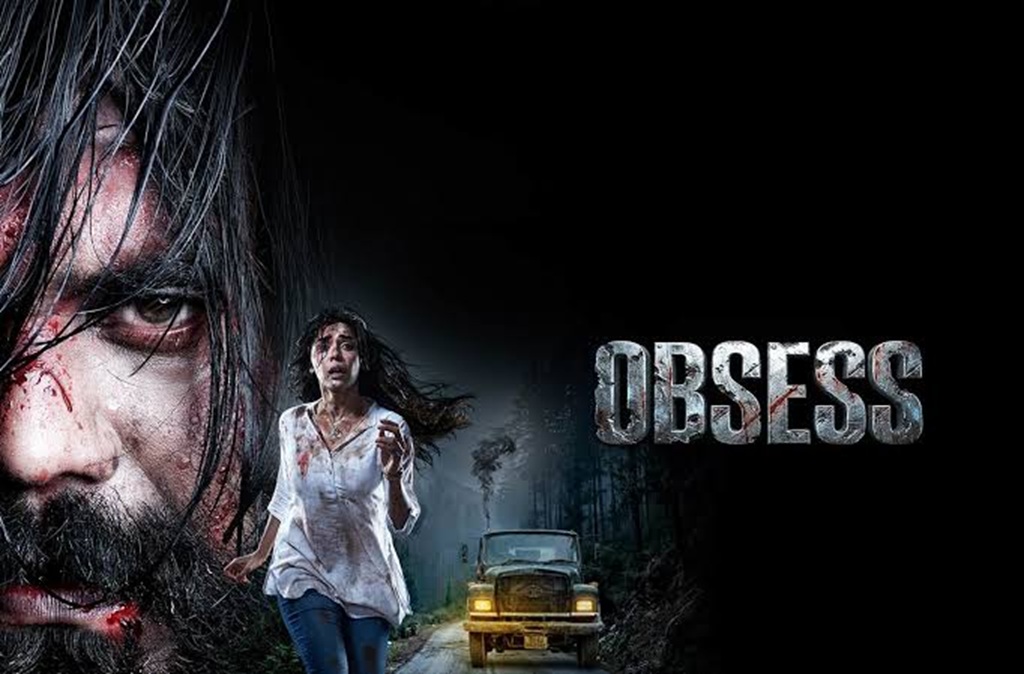
What begins as a road-rage dispute in Obsess grows into a frightening battle for survival. Released on May 29, 2026, this Hindi-language thriller is best described as a psychological survival film with action elements, rather than a conventional action movie.
Peter Wilson directs and stars opposite Eisha Singh in the 2-hour-18-minute, A-rated film. The story focuses on anger, humiliation, fear, and the damage caused when obsession replaces reason. This review looks at the setup, performances, suspense, violence, pacing, themes, and whether Obsess is worth watching.
What Is Obsess About, and Is It Really an Action Thriller?
Obsess follows Peter Wilson as an unstable man whose life begins to spiral after a confrontation with Sara, played by Eisha Singh, at a road construction site. Wilson also directs the film, which was released in Hindi with Tamil, Telugu, and Malayalam versions.
BookMyShow lists the movie as an action thriller, with a runtime of 2 hours and 18 minutes. That label is understandable because the film includes pursuit scenes, physical violence, road conflict, and survival tension. Still, the main conflict happens inside the characters’ minds.
The movie spends more time on fear and psychological damage than on polished fight choreography. Peter’s anger grows slowly, while Sara must find a way to protect herself and her child. The result feels closer to a dark psychological thriller with survival and action elements.
Spoiler warning: The following sections discuss Peter’s escalation and selected violent events. The ending remains undisclosed, but readers who want to know nothing about the plot should stop here.
A Road-Rage Incident Turns Into a Terrifying Hunt
Peter is an alcoholic whose pride and temper have already damaged his life. When he clashes with Sara near a road construction site, the incident seems small at first. Peter, however, treats the encounter as a personal humiliation.
Sara is separated from her husband and raising her child, Sachin. Once Peter begins targeting her, the conflict becomes more serious than a dispute between strangers. Sara’s fear comes from the threat to her child as much as the danger facing her.
The film builds its tension through pursuit rather than constant action. Peter watches, follows, and pressures Sara until ordinary spaces feel unsafe. Roads, homes, and places that should offer shelter become part of the hunt.
Anger, Ego, and Obsession Drive the Story
Peter’s behavior shows how a minor conflict can become violent revenge when anger meets wounded pride. He doesn’t respond to the original incident in a measured way. Instead, he keeps returning to it until the event takes over his thinking.
The story also questions Peter’s grip on reality. Alcohol, medicine, rejection, and emotional instability affect how he interprets the people around him. His obsession makes him assign meaning to ordinary actions, then use those imagined insults to justify further harm.
The movie never presents Peter’s violence as romantic or admirable. His fixation is frightening because he turns personal pain into a reason to control others. That distinction matters, especially in a film built around obsession.
Obsess Review: How Strong Are the Performances and Suspense?
The film’s unusual style will divide viewers. Large stretches contain very little dialogue, so body language, facial expressions, sound, and movement carry the story. Peter’s silence can feel threatening, while Sara’s reactions show how quickly fear can change into determination.
The North Indian setting adds to the bleak mood. Dusty roads, construction areas, isolated spaces, and dim interiors give the film a harsh visual identity. Instead of making every scene loud, Wilson allows tension to build through waiting and observation.
That slow approach works best when Peter is near Sara but hasn’t acted yet. The audience understands that violence could erupt at any moment. However, the same method creates repetition in the middle portion. Some viewers will appreciate the restraint, while others may find the limited dialogue and long pauses frustrating.
The violence is also direct and graphic. A few moments are designed to shock rather than entertain, which suits the film’s grim subject. Readers interested in Indian films that treat psychological conflict as the main engine may also enjoy this Rao Bahadur psychological drama review.
Peter Wilson Creates a Menacing, Unstable Villain
Peter Wilson gives the central character a disturbing physical presence. He often appears tired, confused, or emotionally absent, yet small changes in his posture reveal danger. His silence feels more threatening than a long speech would.
Peter is dealing with alcohol, medication, rejection, and wounded pride. Wilson uses those details to show a man losing control rather than turning him into a stylish movie villain. The character’s behavior is ugly, impulsive, and difficult to excuse.
Major spoilers: Peter’s violence reaches beyond Sara. He murders his former boss, an act that shows how widely his rage has spread. The church confession scene adds another layer to his instability, as Peter speaks about his actions while appearing unable to accept their full meaning.
Wilson’s performance becomes strongest when Peter’s confidence breaks. He may believe he controls the situation, but his movements often reveal panic underneath the aggression. That contradiction gives the villain more substance than a simple angry antagonist.
Eisha Singh Gives the Survival Story Its Emotional Center
Eisha Singh gives Sara the emotional weight the film needs. Her performance begins with caution and disbelief, then moves toward fear, anger, desperation, and action. She doesn’t treat Sara as a passive victim waiting for rescue.
Sara’s concern for Sachin makes each decision more urgent. She has to manage her own fear while searching for her child and judging whom she can trust. Singh communicates that pressure through quick glances and restrained reactions rather than long explanations.
The performance also prevents the movie from becoming only a study of Peter’s anger. Sara’s survival instinct keeps the story grounded. Her struggle is personal, immediate, and easier to connect with than Peter’s damaged worldview.
What Works in Obsess, and Where Does the Film Fall Short?
The strongest part of Obsess is its atmosphere. The film creates unease through silence, empty roads, harsh locations, and the knowledge that Peter can appear without warning. Its experimental approach also separates it from louder mainstream Hindi thrillers.
The psychological focus gives the violence a clear purpose. Peter’s obsession affects the entire structure, while Sara’s fear drives the survival plot. The film asks how humiliation can become an excuse for cruelty, without treating that cruelty as justified.
However, the 138-minute runtime tests the concept. The slow build helps establish dread, but several scenes repeat the same emotional beat. Limited dialogue makes the movie distinctive, although it also leaves some character choices underdeveloped.
The graphic violence won’t suit every viewer. Some actions may frustrate audiences because the characters don’t always make the safest or most logical decisions. The narrow theatrical release and weak publicity also reduced the film’s visibility. A reported India gross of around ₹0.30 crore offers useful commercial context, but it doesn’t prove whether the movie succeeds artistically.
The final verdict depends on what you expect. Adults who enjoy intense, unconventional survival thrillers may find the film worth their time. Viewers seeking constant action will probably have a harder experience.
Reasons to Watch Obsess
The movie is a good match for viewers who like:
- A tense cat-and-mouse setup built around fear
- Strong central performances from Peter Wilson and Eisha Singh
- Unusual use of silence, sound, and limited dialogue
- A dark setting with sudden bursts of graphic violence
- Psychological stories about anger, humiliation, and control
Experimental Indian thrillers often ask viewers to sit with discomfort instead of offering quick explanations. Obsess follows that approach. Its best scenes create tension through what Peter might do next, not through a stream of action set pieces.
Reasons Some Viewers May Not Enjoy It
Fans of fast, mainstream Hindi action movies may dislike the quiet opening and gradual escalation. The film takes time to establish Peter’s mental state, and its pace remains uneven after the central conflict begins.
The grim subject matter may also feel exhausting. Graphic violence, child-related danger, and Peter’s unstable behavior make this a poor choice for casual family viewing. The A rating confirms that the film is intended for adults.
Obsess 2026 FAQ: Release, Rating, Streaming, and Ending Questions
When Was Obsess Released, and What Languages Is It In?
Obsess released in India on May 29, 2026. It is a Hindi-language film, with Tamil, Telugu, and Malayalam versions also available.
The runtime is 2 hours and 18 minutes, or 138 minutes. Theatrical availability was limited, so showtimes varied by city and may have been difficult to find outside larger markets.
Is Obsess Available on OTT, and What Is Its CBFC Rating?
No confirmed OTT release was listed in the available release information. Viewers should check official platform announcements rather than trust unverified streaming pages.
The movie carries an A rating. Its violence, disturbing themes, and survival-horror elements make it unsuitable for children and younger viewers.
Is Obsess the Same Movie as the Hollywood Film Obsession?
No. Obsess is the 2026 Indian Hindi-language film directed by and starring Peter Wilson. Obsession is a separate Hollywood horror movie with a different cast, director, story, and release history.
The similar titles can cause confusion in searches and streaming listings. The IMDb listing for Obsess is useful when checking the Indian film’s identity and credits.
Who Should Watch Obsess?
Adults who enjoy slow-burning psychological thrillers, dark survival stories, and experimental filmmaking should consider Obsess. It suits viewers who value mood and character tension more than nonstop fights.
Those looking for light entertainment, family viewing, or a fast commercial action movie should choose something else. The film’s patience and graphic content demand a specific kind of audience.
Conclusion
Obsess works best as a psychological survival thriller with action elements. Peter Wilson and Eisha Singh commit fully to a tense story about obsession, fear, and the damage caused by wounded pride.
Its atmosphere is strong, but the slow pace, graphic violence, limited dialogue, and long runtime reduce its mainstream appeal. For adults who enjoy unusual and unsettling Indian thrillers, the film offers enough tension to justify a watch. Everyone else should know that Obsess is driven more by psychological pressure than conventional action.