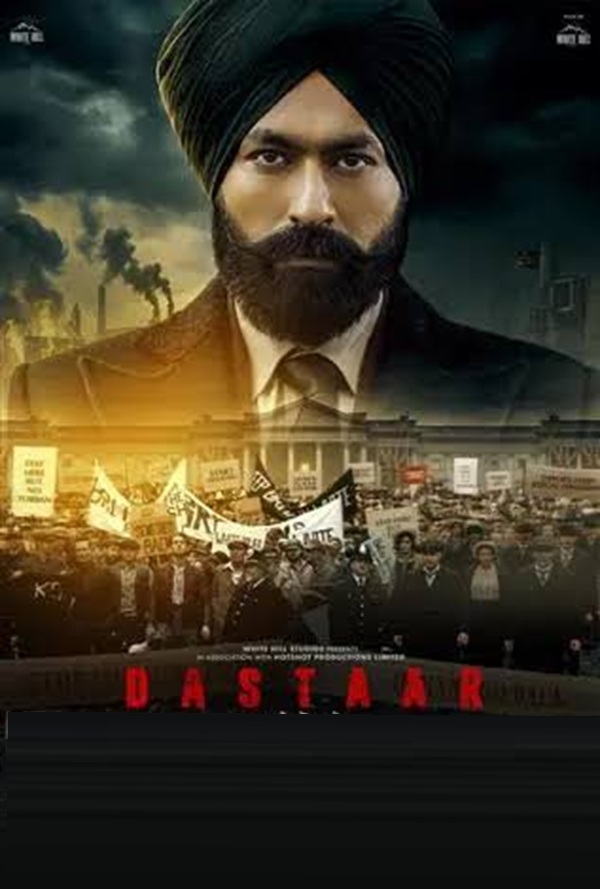
Dastaar
Fun Facts of Movie
Dastaar 2026 Movie Review: A Moving Punjabi Historical Drama
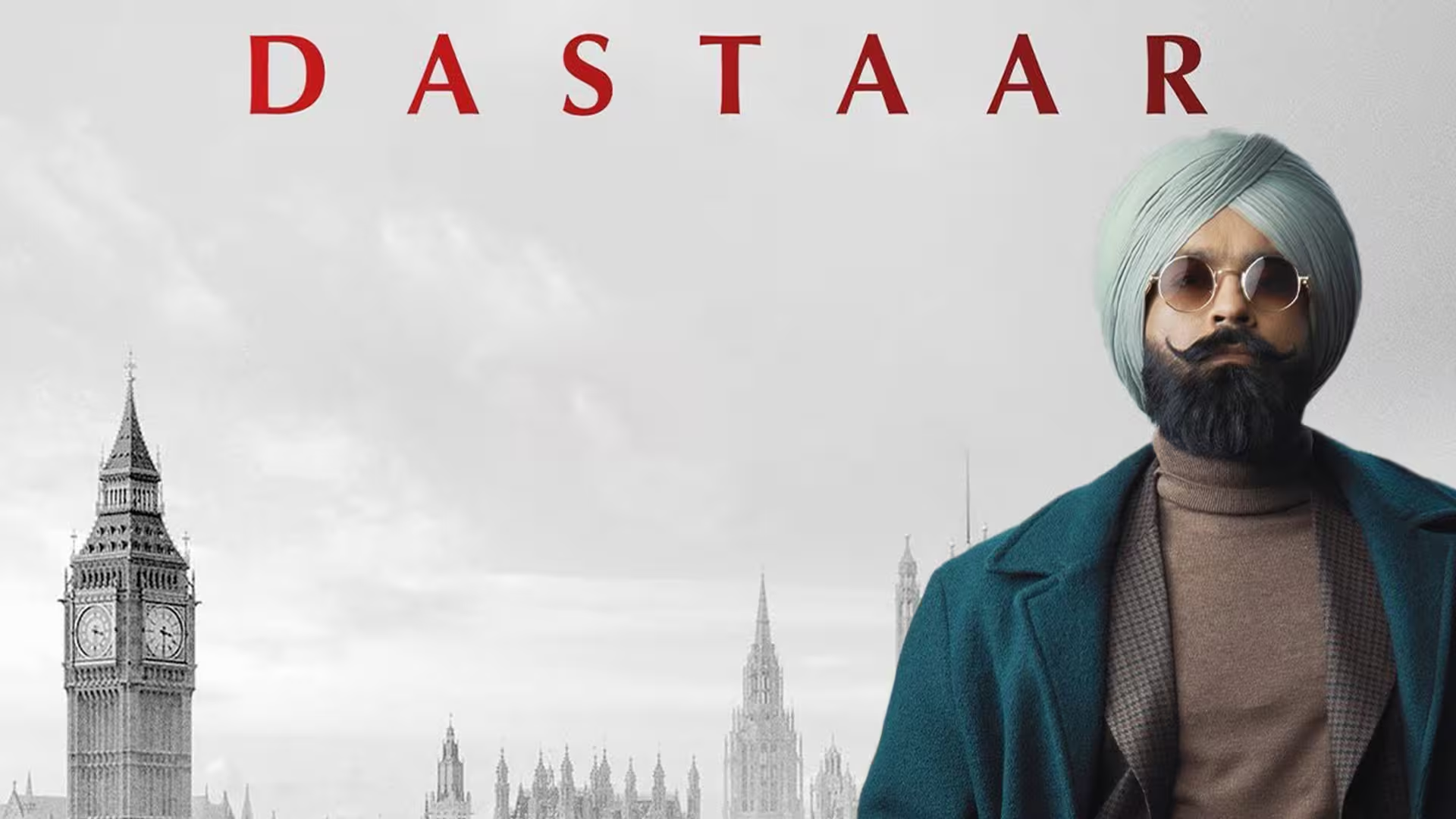
A Sikh immigrant’s turban carries more than religious meaning in Dastaar. It becomes a sign of identity, grief, and resistance in this serious Punjabi historical drama set in 1980s Britain.
Tarsem Jassar plays Harnek, a working man who wants a peaceful life for his family. After racial violence destroys that hope, he must decide how far he will go to protect his community. Released in Indian theaters on July 17, 2026, the film runs for about 150 minutes and carries an 18+ certificate in India. Viewers should expect an emotionally heavy story, not a light entertainer.
Key Takeaways
- Tarsem Jassar gives Harnek a restrained performance that grows stronger as the story progresses.
- The film links Sikh identity with family duty, grief, and community courage.
- Its 1980s Britain setting gives the story social weight beyond Punjabi cinema.
- The long runtime and mature violence may limit its appeal for some viewers.
What Is Dastaar About?
Dastaar follows Harnek, a Sikh immigrant trying to build a stable home in Britain. He works, supports his family, and hopes to avoid conflict. That fragile peace breaks after a brutal racist attack takes someone close to him.
Harnek’s pain pushes him toward action. He gradually becomes a voice for people who face threats because of their faith and appearance. His dastaar becomes a symbol of dignity, hope, unity, and resistance rather than a simple costume detail.
Spoiler warning: The sections below discuss character development, themes, and story structure without revealing the film’s major twists.
A Historical Drama Rooted in the Sikh Immigrant Experience
The film places its characters among anti-Sikh prejudice, skinhead violence, and the daily fear faced by immigrant families. It doesn’t treat Britain as a distant backdrop. Homes, streets, workplaces, and community spaces all become part of Harnek’s struggle.
This setting gives Dastaar a wider social meaning. The story concerns Sikh identity, yet its questions about belonging and racial hatred reach audiences familiar with other immigrant experiences. The film presents a dramatic interpretation of the period rather than a complete documented recreation of every event.
The Film’s Main Themes of Pride, Grief, and Resilience
Harnek’s journey begins with family responsibility. He wants safety, routine, and respect, but racism forces him to confront the limits of staying quiet. His grief changes his understanding of courage.
The film also connects personal pride with collective action. Harnek doesn’t fight only for himself. His choices affect relatives, friends, and neighbors who need someone willing to stand in front of hatred. That shift gives the story its emotional center.
Tarsem Jassar Leads a Strong and Emotional Cast
Jassar plays Harnek with controlled emotion. Early scenes show a gentle man who avoids unnecessary conflict. Later, fear and anger appear in his posture, speech, and silences. The change feels more meaningful because Harnek doesn’t begin as a traditional action hero.
The core supporting cast includes Geet Goraya, Yograj Singh, Sarbjit Cheema, and Aman Dhaliwal. Listings also name Neeta Mohindra, Arnold Baksi, Prete Bhutani, and Aashish Duggal. The IMDb cast listing for Dastaar includes additional British performers and smaller roles, although minor character details vary across listings.
Why Harnek Is More Than a Traditional Action Hero
Harnek’s strength comes from conflict, not swagger. He fears what violence may do to his family, yet refusing to respond carries its own cost. That inner struggle gives Jassar more to play than anger alone.
His rise as a community leader is convincing when the film focuses on small decisions. Some transitions happen quickly, but the central change remains clear. Harnek becomes brave because grief leaves him no comfortable choice.
How the Supporting Performances Build the Film’s Emotional Core
Family scenes give the conflict a personal cost. Community characters show that racist violence affects daily life, not only the people caught in a single attack.
Some supporting roles mainly serve Harnek’s story rather than receiving full arcs of their own. Still, the ensemble gives the film warmth before the tension rises. Those relationships make Harnek’s later choices feel personal.
Direction, Visual Style, and Music Shape the Dastaar Review
Amar Hundal directs the film with a serious tone. Manila Rattan and Dheeraj Kedarnath Rattan receive screenplay credits, while Jatinder Lall is credited for dialogue. The writing keeps the focus on Harnek’s family and community instead of turning every scene into a speech.
Muhammed Demirel and C. Ram Prasad handle cinematography, Gurjeet Hundal edits, and Vijay Dulguch receives the production design credit. British locations support the period setting without distracting from the characters. Available credits provide limited detail about individual songs and the background score, so the film’s strongest elements are its performances, setting, and social subject.
Does the Long Runtime Help or Hurt the Story?
At roughly 150 minutes, Dastaar has room for Harnek’s family life and the community’s fear. That space helps the emotional sections breathe.
However, the middle portion can feel repetitive, and Harnek’s move toward leadership sometimes arrives faster than expected. Viewers who prefer compact dramas may find the length demanding. Those interested in character-led historical stories may accept the slower pace.
A Serious Punjabi Film With Wider International Appeal
Dastaar reaches beyond a regional audience because its central conflict concerns immigration, religion, family, and human rights. The film was listed for limited international release in the United Kingdom, Germany, Italy, Australia, and France, though availability can vary by city.
Early public reactions have focused on Jassar’s performance and the film’s emotional effect, including this viewer review of Dastaar. That response fits the film’s direct approach to identity and racial violence.
Dastaar Movie Review Verdict: Who Should Watch It?
Dastaar is strongest when it stays close to Harnek’s personal pain. Jassar gives the role enough restraint to make the later emotional force believable. The film also carries cultural importance because it places Sikh immigrant life at the center of a historical drama.
Its heavy tone, violent subject matter, 18+ Indian certificate, and long runtime won’t suit every viewer. The film is best for audiences interested in Punjabi cinema, Sikh history, immigrant stories, and serious social dramas. It wasn’t available on OTT as of July 2026, so check local theater listings and official platforms for current availability.
The Biggest Strengths and Weaknesses at a Glance
The story has a clear social purpose, and the lead performance gives it a human face. The period setting feels useful rather than decorative, while the community theme adds emotional weight. The main weakness is uneven pacing, especially when the film repeats its message or rushes a turning point.
Frequently Asked Questions About Dastaar 2026
Dastaar is a Punjabi drama with action, thriller, and historical elements. Amar Hundal directed the film, and Tarsem Jassar plays Harnek. Its story takes place in 1980s Britain and focuses on a Sikh immigrant family facing racist violence.
When Was Dastaar Released and How Long Is It?
The film received its India theatrical release on July 17, 2026. Its reported runtime is between 149 and 150 minutes, or about two and a half hours. International listings may show small differences in release dates and duration.
Is Dastaar Available on OTT and Who Is It For?
No OTT release was confirmed as of July 2026. A public video listing is not proof of an official streaming release, so viewers should rely on verified Dastaar availability information and official platform announcements.
The film is aimed at adults and mature viewers who can handle scenes involving racial violence. India rated it 18+, while reported international classifications include 15 in the UK and FSK 16 in Germany. It isn’t suitable for younger children.
Conclusion
Dastaar turns one man’s grief into a story about immigrants refusing to surrender their identity. Its strongest image is the dastaar as a crown of resilience, worn through fear, loss, and public hatred.
The film’s long runtime and mature content require patience, but its subject gives that commitment a clear purpose. Viewers seeking a serious Punjabi drama about Sikh history, family, and community courage should give Dastaar a place on their watchlist.