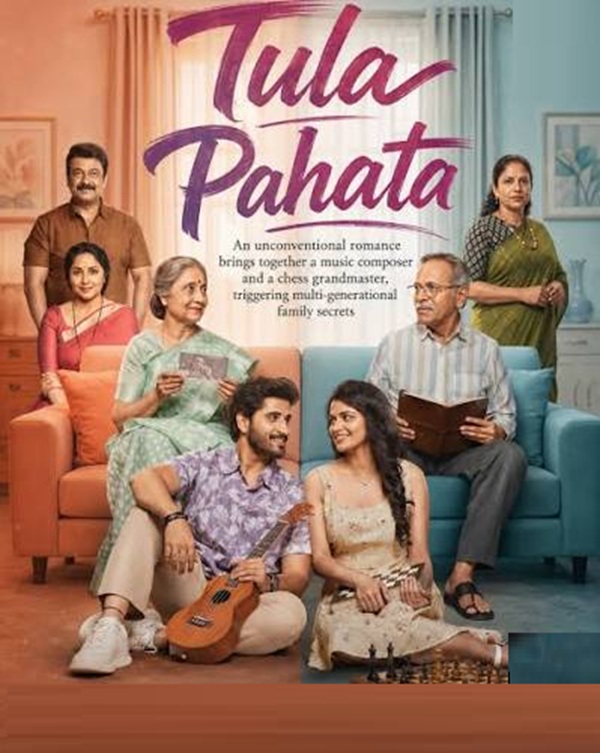
Tula Pahata
Fun Facts of Movie
Tula Pahata 2026 Movie Review: Love Across Two Generations
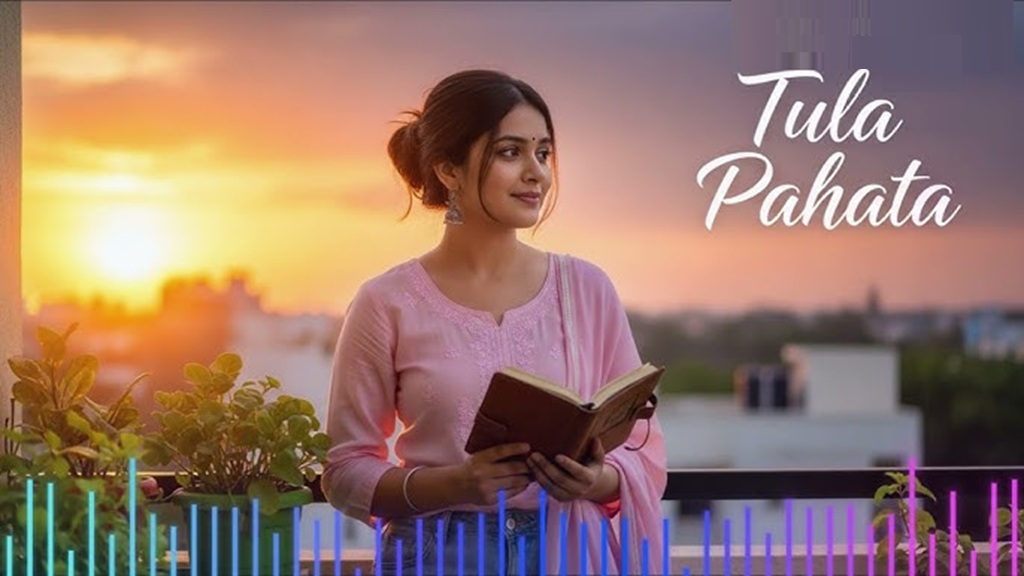
The film is officially titled Tula Pahata, although many searches use the spelling “Tula Pahata.” Released on July 10, 2026, this Marathi and Hindi family drama connects two romances set 55 years apart.
The story moves between 1971 and 2026 while asking a difficult question: can love survive when marriage, family duty, and personal freedom point in different directions? Tula Pahta has a thoughtful premise and strong veteran performances, but its slow pace and uneven younger cast keep it from reaching its full potential.
Key Takeaways
- Tula Pahta connects a 1971 romance with a 2026 live-in relationship.
- Ila Bhate and Satish Pulekar provide the film’s strongest performances.
- The themes are sensitive, but the screenplay loses momentum in places.
- The Rohan-Rohan music adds warmth to the emotional scenes.
- Rating: 2.5 out of 5
Tula Pahata Story and Premise: Two Love Stories Across 1971 and 2026
Tula Pahata follows two couples from different generations. In 1971, Arundhati and Harishchandra fall in love during a period when family approval and marriage carried enormous weight. Their romance becomes an important part of the film’s emotional history.
In 2026, Sagar Vaidya is a music composer, while Tanvi Deshmukh is a chess grandmaster. The younger couple chooses to live together without getting married. That decision creates tension with their families, especially when their relationship brings Arundhati and Harishchandra back into each other’s lives.
The film’s IMDb listing for Tula Pahata describes the central setup as a composer and chess grandmaster challenging social expectations through a live-in relationship. That premise gives the movie room to discuss love without treating marriage as the only respectable ending.
The story also crosses three generations. Parents worry about social judgment, grandparents carry memories they never fully resolved, and the younger couple wants the freedom to make its own choices. Those viewpoints collide when the families meet.
How the Film Compares Traditional Love With a Modern Live-In Relationship
The 1971 portions use handwritten letters, restrained romance, and the careful behavior expected of young people at the time. Arundhati and Harishchandra express affection through patience and small gestures. Their relationship grows within strict social boundaries.
The 2026 story is more direct. Sagar and Tanvi live independently, have established careers, and see marriage as a personal decision rather than a family obligation. Their attitude unsettles relatives who believe commitment should come with a wedding.
Tula Pahta doesn’t reduce the issue to a simple conflict between old and new values. The older generation has its own regrets, while the younger couple faces questions about responsibility and long-term trust. The film asks whether love needs a traditional structure, and whether family approval should decide a couple’s future.
The trailer’s central idea also focuses on two generations and live-in relationships, as shown in this Tula Pahata trailer reel.
The Family Secret That Drives the Second Half
A buried secret from the grandparents’ past creates further tension for Sagar and Tanvi. As the truth begins to affect the younger couple, the film moves toward its emotional resolution.
The reveal works best when the story stays with the characters rather than rushing toward melodrama. However, viewers should approach the movie without expecting a sharply plotted mystery. The secret supports the family drama, but it isn’t the film’s only purpose.
Performances, Direction, and Music in the 2026 Movie Review
Mayura Pradhan makes her feature-film debut as director. She also handles the story, screenplay, dialogues, and production, which gives Tula Pahata a consistent point of view. The film’s ideas are clear, even when the execution becomes uneven.
Ila Bhate and Satish Pulekar Are the Film’s Biggest Strength
Ila Bhate as Arundhati and Satish Pulekar as Harishchandra give the film its richest scenes. Their chemistry feels natural because neither actor pushes the emotion too hard. A pause, a glance, or a carefully chosen line often says more than the dialogue.
Their performances add history to the relationship. The characters feel like people shaped by years of choices rather than simple romantic figures waiting for a reunion. Bhate brings warmth and quiet strength, while Pulekar gives Harishchandra a mixture of affection, regret, and restraint.
The older couple often holds the screen more convincingly than the younger leads. Their scenes also give the film its strongest connection between the past and present.
A Mixed but Serviceable Performance From the Younger Cast
Nachiket Lele plays Sagar with sincerity, but his performance has limited range in the quieter scenes. As a reality-show singer making his acting debut, he fits the role’s musical side, though the emotional confrontations need more force.
Manasi Patil gives Tanvi independence and intelligence, yet her chemistry with Lele doesn’t match the veteran pair’s ease. Their relationship remains understandable, but it doesn’t always feel as emotionally urgent as the screenplay intends.
Nishigandha Wad and Anand Kale provide steady support as Sagar’s parents. Deepali Vichare brings energy to Tanvi’s family, while Pallavi Patil and Swapnil Parjane make the younger versions of Arundhati and Harishchandra believable within the period sections.
What Works and What Slows Down the Film
The film’s sensitive theme is its main asset. Tula Pahata treats live-in relationships and marriage expectations as family questions rather than opportunities for cheap shock. That approach gives the drama a grounded tone.
Rohan-Rohan’s music is another strong point. The songs are melodious, and the lyrics support the romantic mood without overpowering the scenes. The background score also adds warmth during the more personal moments.
Pushkar Zoting’s cinematography gives both timelines a pleasant visual finish. The period material carries a nostalgic feel, while the modern scenes suit the couple’s urban life. Apurva Motiwale’s editing, however, should have been sharper. Several scenes run longer than needed, and the 140-minute runtime makes the second half feel slower.
Pradhan shows control over the film’s subject and performances. Still, managing writing, screenplay, dialogue, direction, and production is a large task for a first feature. The result has a clear heart, but some transitions feel basic, and some dramatic beats arrive without enough build-up.
Tula Pahata Rating, Release Details, and Who Should Watch It
Tula Pahta opened in theaters on July 10, 2026, in Marathi and Hindi. The film carries a UA16+ rating and runs for 2 hours and 20 minutes. Brave Wheel Productions backs the project.
The BookMyShow movie listing places the film among drama, family, and romantic releases. Its urban setting and discussion of live-in relationships give it a class-appealing audience, especially in larger cities and among viewers comfortable with relationship-focused cinema.
Pros and Cons at a Glance
What works
- Strong chemistry between Ila Bhate and Satish Pulekar
- Thoughtful comparison of two generations
- Melodious Rohan-Rohan soundtrack
- Meaningful emotional moments
- A sensitive treatment of marriage and live-in relationships
What doesn’t
- Younger performances are less compelling
- Several sections move too slowly
- Editing could have been tighter
- Publicity was dull before release
- The film has limited broad commercial appeal
The balance leads to a rating of 2.5 out of 5. The older couple, theme, and music make the film worthwhile, but the uneven pacing prevents a stronger recommendation.
Is Tula Pahata Available on OTT?
No OTT release was available during the film’s first week, from July 10 through July 16, 2026. A streaming date had not been announced in the available release information.
Viewers should check official streaming platforms and announcements from Brave Wheel Productions or the film’s distributor. Unofficial download and streaming websites may offer poor-quality copies and create legal and security risks.
Who Will Enjoy This Marathi Family Romance?
Tula Pahta is best suited to viewers who enjoy Marathi cinema, family dramas, older love stories, and discussions about changing relationship values. Its focus on memory and family expectations gives the movie more emotional weight than a standard urban romance.
The film may not work for viewers who want quick pacing, constant comedy, or a highly dramatic love story. Its appeal is narrower, but audiences who enjoy character-driven relationship films may find enough value in the grandparents’ romance.
Readers who like films about changing marriage expectations can also explore modern marriage relationship dramas.
Frequently Asked Questions About Tula Pahta
What is Tula Pahata about?
Tula Pahta follows two love stories set in 1971 and 2026. A young couple’s decision to live together without marriage reconnects their grandparents, who had an interrupted romance many years earlier.
Who directed Tula Pahata?
Mayura Pradhan directed Tula Pahta. She also handled the story, screenplay, dialogues, and production. The film is her first feature as a director.
What is the Tula Pahata movie rating?
This review gives Tula Pahta 2.5 out of 5. The film has a strong older cast and sensitive ideas, but its pacing is uneven, and the younger leads are less powerful.
Is Tula Pahata a Marathi or Hindi movie?
Tula Pahta was released in both Marathi and Hindi. The Marathi version is the film’s primary identity, while the Hindi version makes the story accessible to a wider audience.
Is Tula Pahata the same as Tula Pahate Re?
No. Tula Pahta is a 2026 film. Tula Pahate Re was an unrelated Zee Marathi television series that aired from 2018 to 2020. The similar names can confuse online searches.
Final Verdict on Tula Pahata
Tula Pahta has a thoughtful way of comparing old-fashioned romance with modern ideas about love, marriage, and independence. Ila Bhate and Satish Pulekar give the film its most memorable emotional moments, while the music adds warmth.
However, the 140-minute runtime, slow sections, mixed younger performances, and limited commercial appeal hold it back. With a rating of 2.5 out of 5, the movie is best for viewers who enjoy character-driven Marathi family dramas and patient stories about relationships.