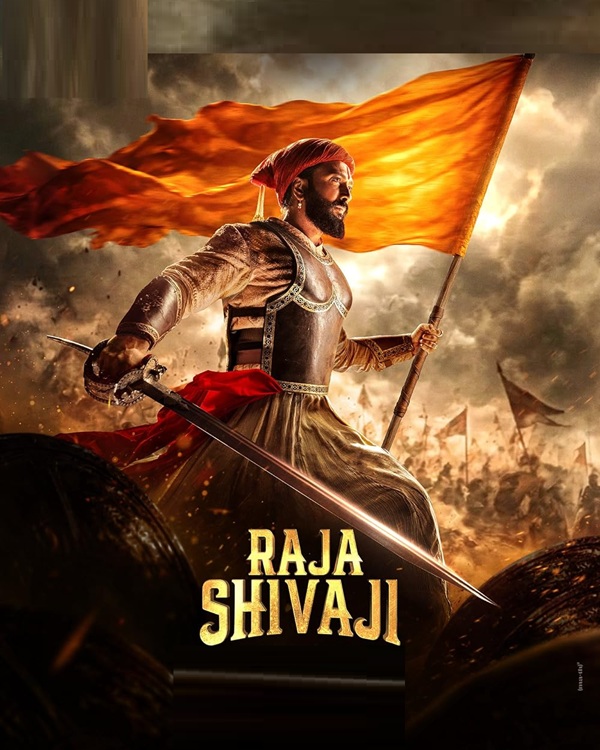
Raja Shivaji
Fun Facts of Movie
Raja Shivaji Movie Review: A Grand but Uneven Historical Epic
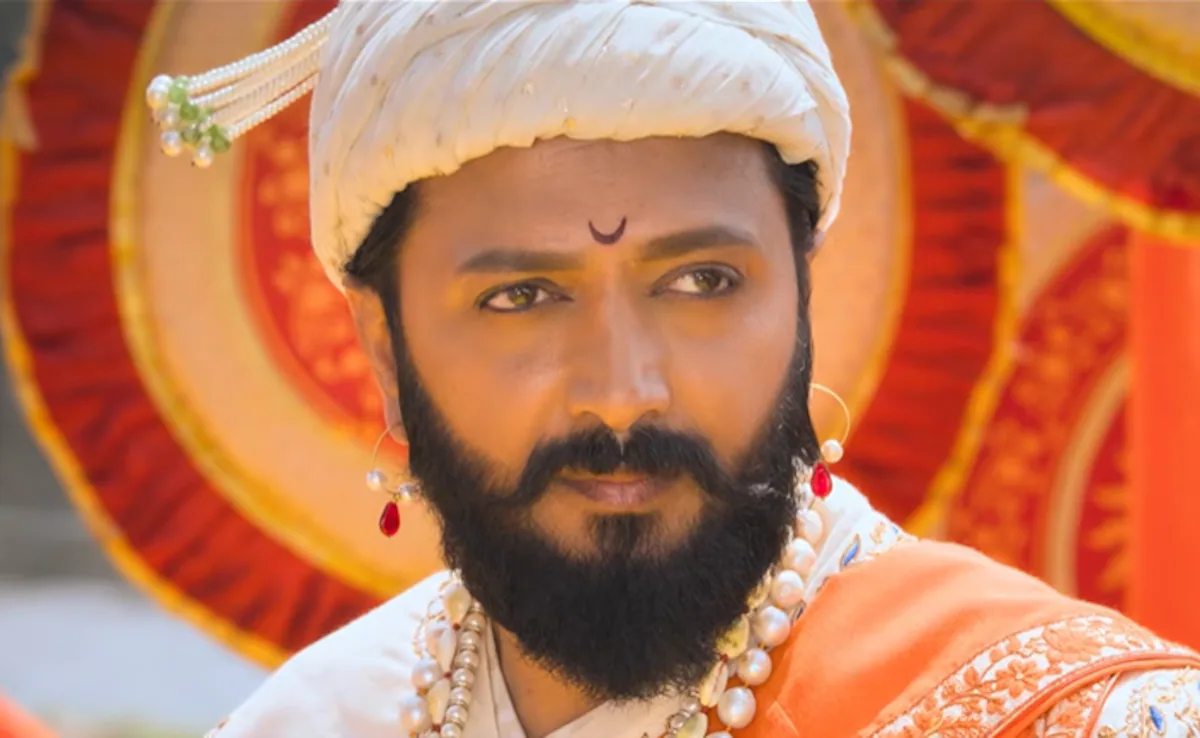
Historical epics can feel either alive or overloaded. Raja Shivaji lands between those two extremes, offering a sincere tribute with impressive scale, strong performances, and stretches of slow pacing.
Riteish Deshmukh directs and stars as Chhatrapati Shivaji Maharaj in this historical action drama. The film released in theaters on May 1, 2026, before arriving on Netflix on June 26, 2026. Its Marathi roots remain central, even as the long runtime and multi-language release aim for a wider audience.
If you enjoy Indian history, emotional leadership stories, and large battle scenes, the film is worth watching. Viewers seeking a short, tightly edited action movie may find it demanding.
What Is Raja Shivaji About?
The film follows Chhatrapati Shivaji Maharaj’s rise as a leader, warrior, and builder of Swarajya. Rather than focusing on one isolated battle, it traces the pressure surrounding his early leadership, his political challenges, and the sacrifices required to unite people behind a larger vision.
Powerful rivals, shifting alliances, family responsibilities, and military threats shape the story. The narrative also gives space to Shivaji Maharaj’s relationship with his people, his mother Jijabai, and the figures who helped shape his decisions.
The movie was released in Marathi, Hindi, Tamil, Telugu, Kannada, and Malayalam. The broad historical setting and production details are also recorded in the Raja Shivaji film reference.
A Historical Story Built Around Leadership and Swarajya
The screenplay presents Shivaji Maharaj as a leader who depends on courage, planning, and trust. His strength doesn’t come only from swordplay. The film gives equal attention to strategy, diplomacy, and his ability to understand the people around him.
The conflict with powerful rivals creates the main dramatic pressure. Shivaji Maharaj must protect his growing movement while facing forces with greater resources and political influence. That imbalance gives many scenes their tension.
The film draws on established historical themes, including the foundation of Hindavi Swarajya and the Battle of Pratapgarh against Afzal Khan. However, private conversations, scene timing, and emotional exchanges are shaped for cinema. It should be viewed as a historical interpretation, not as a documentary or a complete account of his life.
Does the Long Runtime Help or Hurt the Story?
The Marathi version runs for about 195 minutes, while the Hindi version runs for about 187 minutes. That is a serious time commitment, especially for viewers watching at home.
The extended length gives important relationships and political developments more room than a rushed biographical film would allow. Jijabai’s influence, the weight of family decisions, and the buildup to major conflicts don’t feel like quick footnotes.
Still, the pacing becomes uneven in the middle. Some scenes repeat ideas about duty and resistance, while a few supporting characters receive less development than the film’s scale suggests. The final stretch benefits from the long buildup, but the journey can feel slow before the major action arrives.
Raja Shivaji Movie Review: Performances, Action, and Visual Craft
Raja Shivaji works best when its emotional material and visual ambition meet. The film wants to honor its subject while also delivering the size expected from a major historical drama. That balance succeeds often, though not in every scene.
Riteish Deshmukh’s Performance as Chhatrapati Shivaji Maharaj
Riteish Deshmukh brings a controlled presence to the title role. His body language changes as Shivaji Maharaj moves from a determined young leader toward a more assured ruler. He uses stillness well, especially in scenes where a measured response carries more weight than a loud speech.
His dialogue delivery is strongest during moments of resolve. Deshmukh gives the character warmth with his people and restraint in political confrontations. The action scenes also show enough physical commitment to make the warrior side convincing.
The performance feels respectful rather than showy. However, the writing sometimes reduces complex emotional turns to direct declarations. When the screenplay gives him room to react instead of explain, Deshmukh is more effective.
How the Supporting Cast Strengthens the Historical Drama
Sanjay Dutt gives Afzal Khan a threatening physical presence, which makes his scenes with Shivaji Maharaj feel charged. Abhishek Bachchan adds political weight as Sambhaji Shahaji Bhosale, while Mahesh Manjrekar and Sachin Khedekar bring authority to the family and court dynamics.
Bhagyashree gives Jijabai emotional force without turning her into a background figure. Her scenes help explain the values behind Shivaji Maharaj’s decisions. Genelia Deshmukh adds tenderness and personal stakes as Saibai, offering a calmer counterpoint to the military conflicts.
Fardeen Khan, Jitendra Joshi, and Amole Gupte strengthen the film’s political side. Their characters broaden the story beyond a single hero, although not every supporting role receives equal depth. Viewers checking the principal cast before watching can also use the Raja Shivaji IMDb listing.
Battle Scenes, Production Design, and Cinematography
The battle sequences give the film its biggest theatrical advantage. Forts, period costumes, weapons, horses, and crowded formations create a convincing sense of scale. Filming across Mumbai, Satara, Wai, Mahabaleshwar, and the Western Ghats adds varied landscapes to the visual design.
The forts and mountain locations are especially effective. They connect the story to Maharashtra’s geography instead of treating the setting as a generic backdrop. The cinematography also captures the contrast between open battlefields, royal interiors, and rugged hill terrain.
The background score pushes the emotional beats with force, while the sound design gives the weapons and battlefield movement enough impact. Some visual effects look less polished than the strongest production elements, particularly when large groups or distant action fill the frame. Even so, the film’s visual craft remains one of its clear strengths.
Is Raja Shivaji Worth Watching on Netflix?
The theatrical experience offers the best setting for the film’s battles, score, and large landscapes. At home, Netflix makes the story easier to access, but viewers should plan for a long sitting. The film received a U/A theatrical certification in India, so parents should consider its battle violence and mature historical conflict before watching with younger children.
The film is most rewarding for viewers who value character, heritage, and scale over quick pacing. Its main strengths and weaknesses are easy to separate:
- The strongest elements are Deshmukh’s central performance, the Marathi cultural foundation, and the production design.
- The weaker areas are the uneven middle section, repeated dramatic beats, and occasional visual effects that don’t match the film’s ambition.
Final rating: 3.5 out of 5
Who Will Enjoy This Historical Action Film?
Raja Shivaji should appeal to viewers who enjoy Indian history, Marathi cinema, biographical dramas, and large-scale battle stories. It also suits audiences interested in how a leader’s personal relationships shape political decisions.
The long runtime may frustrate anyone looking for a fast, tightly edited action film. Likewise, viewers who prefer strict historical documentation may dislike the added dramatization.
Final Verdict Without Major Spoilers
For theater audiences, the film is a solid choice when the goal is spectacle and atmosphere. Netflix subscribers should watch it if they have patience for a slower historical drama and want to see Riteish Deshmukh take on a demanding lead role.
Raja Shivaji succeeds more as an emotional tribute and historical drama than as a nonstop action spectacle. Its biggest strength is Deshmukh’s sincere performance supported by impressive visual scale. Its most noticeable weakness is pacing, especially before the story reaches its major confrontations.