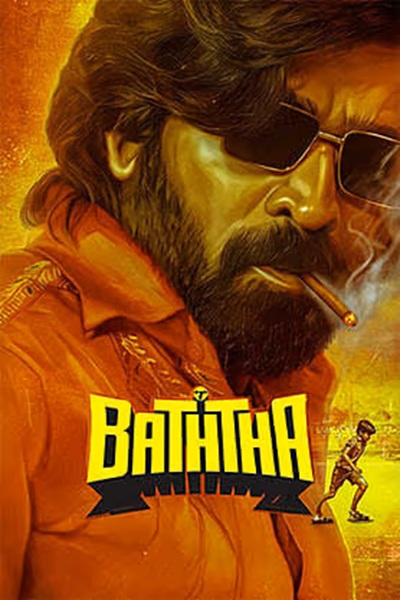
Baththa
Fun Facts of Movie
Baththa Movie Review: Story, Cast, and What to Expect
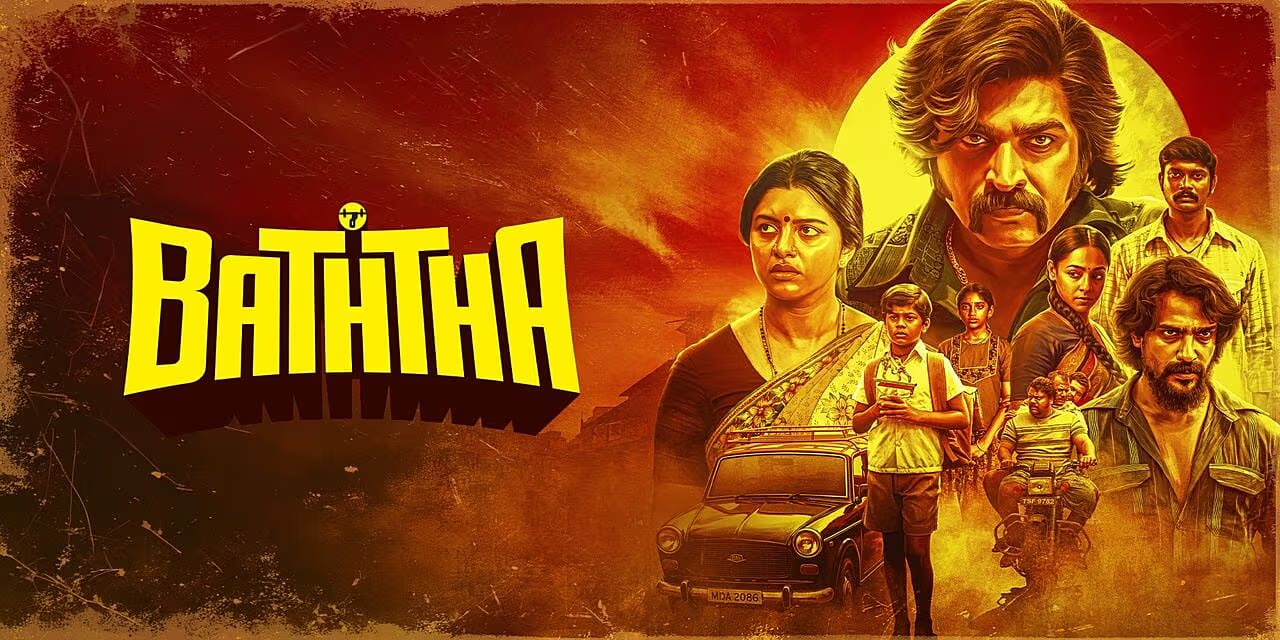
Set in 1986 Madras, Baththa is a 2026 Tamil-language film directed by Balaji Tharaneetharan and starring Vijay Sethupathi. Its unusual premise starts when a schoolboy accidentally locks a feared local gangster inside a school restroom, setting up a story that brings a child and a criminal face to face.
This spoiler-free review looks at the story, performances, tone, and who may enjoy the film. The title is spelled Baththa here, and we’ll start with the setup that gives the film its distinctive hook.
Key Takeaways
- Baththa is set in 1986 Madras, where a schoolboy accidentally locks a feared local gangster inside a restroom.
- Vijay Sethupathi leads the cast, with Master Sai Prithviraj and Lijomol Jose among the other performers.
- Writer-director Balaji Tharaneetharan reunites with Sethupathi for their third film together, as The Hindu reported.
- The unusual setup points to a character-focused story built around confinement and an unexpected connection, rather than a conventional gangster plot.
Baththa Movie Review: Does This Gangster Story Deliver?
Baththa builds its crime story around an odd, contained setup: Sabari accidentally locks the gangster Baththa inside a school restroom. The film uses that mishap to bring a child and a feared adult into close contact, then tests whether their uneasy connection can carry a story beyond its initial hook.
A School Restroom Becomes the Center of the Story
Sabari’s mistake traps Baththa in a place where his reputation offers little help. The confined setting creates immediate tension, while the boy’s presence complicates the encounter. Sabari is a child facing a dangerous man, yet Baththa is also stuck and vulnerable. That reversal gives their scenes room for discomfort, humor, and cautious curiosity without revealing where the story leads.
The premise works best when the film lets small exchanges shape the relationship. Sabari’s fear and Baththa’s frustration make the situation feel more personal than a typical standoff between hero and gangster. Instead of relying only on action, the story asks how two people with very different lives respond when neither can simply walk away.
That focus gives Baththa an engaging dramatic core, though the extended restroom sequences may feel repetitive to viewers who expect the plot to move quickly. Times Now’s review also notes slow stretches in the film’s central situation.
A Gangster Drama With Family and Coming-of-Age Themes
The film’s interest extends beyond whether Baththa can escape. His predicament puts pressure on the tough image he carries, while Sabari’s point of view brings a coming-of-age thread into the crime drama. The boy’s presence encourages the story to consider how Baththa behaves toward his family and whether his public reputation tells the whole story.
As a result, the film blends gangster tension with family drama, a child’s adventure, survival-thriller elements, and comedy. Those shifts add variety, but they don’t always sit together smoothly. A tense exchange can give way to a comic beat, and the change in mood may work better in some scenes than others.
Vijay Sethupathi’s performance helps anchor the shifts by giving Baththa more than one register: menace, irritation, and vulnerability. Sai Prithviraj’s Sabari gives the story a grounded child perspective, so the boy’s fear and curiosity both matter. The New Indian Express praised the film’s restrained approach and its parallel coming-of-age story, while the overall effect will likely depend on whether you enjoy character-focused drama more than a conventional gangster plot.
Baththa delivers an unusual setup with emotional potential, but its pacing and tonal changes keep it from feeling equally assured throughout. If you’re open to a crime story that spends time on an unexpected bond, its central pairing gives you a reason to stay with it.
How Vijay Sethupathi and the Supporting Cast Shape Baththa
The performances help Baththa move between crime drama, family story, and comedy without losing sight of the relationship at its center. Vijay Sethupathi carries the lead role, while the younger performers give the story a perspective that keeps the gangster’s reputation in check.
Vijay Sethupathi Makes the Gangster Feel Human
Sethupathi plays Baththa with an edge that makes the character’s reputation believable, but he doesn’t let menace define every moment. As the story confines Baththa to an unfamiliar situation, Sethupathi gives his toughness room to falter. His restraint matters: the character’s unease and concern for his family emerge through shifts in his behavior, rather than through lengthy explanations.
That balance also helps the film handle its tonal changes. Sethupathi can support a comic beat without turning Baththa into a joke, then bring the focus back to the character’s fear and isolation. The performance gives the film a steady center, even when the comedy and drama don’t always blend smoothly. Readers interested in another ensemble film featuring Sethupathi can also see our review of Sye Raa Narasimha Reddy.
Sai Prithviraj and the Cast Around Him
Master Sai Prithviraj plays Sabari, whose reactions shape how viewers read Baththa. The boy brings fear and curiosity into the same scenes, keeping their relationship from feeling like a simple clash between a gangster and a child. That perspective also limits how much the film can rely on Baththa’s fearsome image; Sabari responds to the person in front of him, not just the neighborhood stories about him. India Today praised Sai Prithviraj’s performance for conveying the boy’s innocence and compassion.
Lijomol Jose plays a family role, while Baby Sahasra Shree, Santhy Balachandran, Hari Krishnan, Arjun Chidambaram, and Ajay Ghosh appear among the supporting cast. Their presence gives Baththa’s life beyond the central encounter a human context, helping the family and neighborhood feel like parts of the same story. Published listings vary on some character-name spellings, so check the film’s on-screen credits before using those names. The Baththa cast and crew listing provides a reference for the credited performers.
Balaji Tharaneetharan’s Direction, Setting, and Storytelling
Balaji Tharaneetharan builds Baththa around a small, confined encounter, then uses it to open up a larger view of the people and places around it. The 1986 Madras setting gives the story a distinct frame, while its shifts between comedy, suspense, and family drama keep the tone in motion.
How the 1986 Madras Setting Adds Texture
The school setting does more than provide a place for the central mishap. Its restroom turns into a tight, everyday space where Baththa’s criminal reputation has little practical use, and where Sabari’s perspective can shape the encounter. That contrast gives the story an accessible point of entry without requiring the film to explain its world through exposition.
Beyond the school, the period setting helps place the characters within a specific time and city. The film’s success depends less on grand historical detail than on whether its ordinary spaces feel consistent with the story. Deccan Herald praised cinematographer Selva Kumar SK’s frames for complementing the 1986 setting, describing the film as a gangster story that gives its screenplay room to breathe. That visual approach supports the drama when the film keeps its attention on the people sharing those spaces, rather than treating the period as decoration.
Pacing, Tone, and Technical Craft
The confined setup gives the film a natural source of suspense, but it also places pressure on pacing. Tharaneetharan has to make repeated encounters feel different as the relationship changes. The comedy can release tension, while the threat surrounding Baththa keeps the situation from becoming harmless. However, the tonal movement may feel uneven when a comic beat interrupts an emotional or tense moment before it has fully landed.
The music helps carry some of those changes. Sai Abhyankkar’s score and the song “Chellame Magale” add emotional weight, though the background score can sometimes underline a feeling more strongly than the scene needs. Audience reactions highlighted the music and emotional moments, as The Times of India reported. Overall, the film’s craft works best when its visuals and sound stay close to the characters, letting the setting and performances carry the scene.
Who Should Watch Baththa, and What to Know Before You Go
Baththa is a better fit for viewers who enjoy character-led Tamil dramas than for anyone expecting a nonstop gangster action film. Its appeal rests on the uneasy bond between a child and a criminal, with family themes and changes in tone shaping the experience.
The Film’s Strengths and Possible Drawbacks
Vijay Sethupathi fans have a clear reason to watch: his performance gives Baththa room to be intimidating, comic, and vulnerable. The film also suits viewers who like stories that place crime alongside family drama and a coming-of-age perspective. Master Sai Prithviraj’s role as Sabari adds a child’s point of view to Baththa’s predicament, keeping their interaction at the heart of the story.
The tradeoff is the film’s pace and its shifts between suspense, comedy, and emotion. The confined setup can hold your attention, but some stretches may feel slow if you prefer a plot that moves quickly. Likewise, the tonal changes may not land equally well for every viewer. If you enjoy Tamil films with a mix of crime and comedy, Jailer‘s review offers another example of a film that moves between different tones, though its style is distinct from Baththa.
Is Baththa Worth Watching in Theaters or at Home?
The reported theatrical release date for Baththa was October 1, 2026, according to Filmibeat’s movie listing. If you enjoy watching performances and tense exchanges on a larger screen, a theater could suit the film’s close-quarters setup. Before you go, check a local theater’s current listings, since showtimes vary by location.
Runtime listings conflict, so don’t rely on a single number when planning your visit. Check your theater’s listing or an official distributor source for the most useful local information. Streaming availability is also unconfirmed, so avoid assuming that the film is currently on a particular service. If you’d rather wait for home viewing, look for an announcement from a distributor or streaming platform before making plans.
Overall, choose Baththa for its central relationship and Sethupathi’s performance, not for a fast-moving action plot.
Frequently Asked Questions
These quick answers cover Baththa‘s premise, credits, language, and viewing availability.
What is Baththa about?
Set in 1986 Madras, the film follows Sabari, a schoolboy who accidentally locks a feared gangster named Baththa inside a school restroom. Their unexpected encounter drives the story, so the setup is best enjoyed without spoilers.
Who directed Baththa?
Balaji Tharaneetharan directed Baththa and is also credited as its writer. IMDb’s film listing names him as the director.
Who stars in Baththa?
Vijay Sethupathi plays Baththa, and Sai Prithviraj plays Sabari. Lijomol Jose is also among the credited cast.
What language is Baththa in?
Baththa is an Indian Tamil-language film. Subtitle and dubbed-language options can vary by theater or streaming service, so check the specific listing before you watch.
When was Baththa released?
The reported Indian theatrical release date is October 1, 2026. However, screening schedules can vary by region, so confirm the date with a local theater or an official source.
Where can I watch Baththa online?
A streaming platform or online release date hasn’t been confirmed in the available listings. Check official distributor announcements and licensed streaming catalogs for current availability.
Conclusion
Baththa works best as a character-led drama about an unexpected bond, not as a conventional gangster action film. Vijay Sethupathi brings depth to Baththa, while Sai Prithviraj gives the story a convincing child’s perspective.
The slower stretches and uneven shifts in tone may test some viewers’ patience, but they don’t erase the warmth at the film’s center. If you enjoy relationship-focused Tamil films and can accept a measured pace, Baththa is worth watching.