
Bandar
Fun Facts of Movie
Bandar Review: Bobby Deol’s Gritty Prison Drama
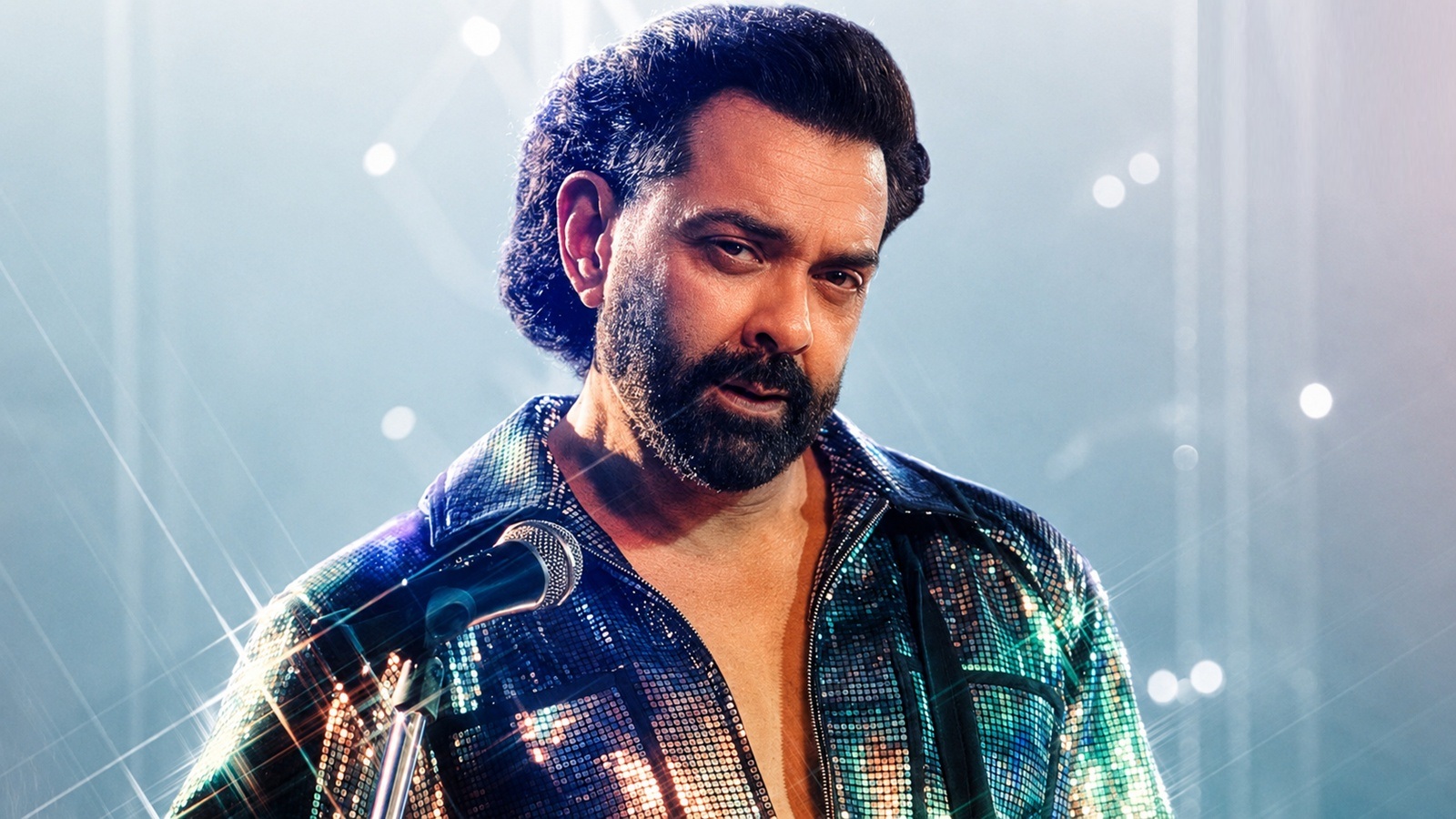
A fading television star, a rape accusation, and a prison system that treats every suspect as guilty give Bandar its disturbing edge. Also known internationally as Monkey in a Cage, Anurag Kashyap’s crime drama places Bobby Deol in the role of Samar Mehra, a former celebrity fighting for survival after his arrest.
The film premiered at the Toronto International Film Festival in 2025 before reaching theaters on June 5, 2026. It blends courtroom tension, prison brutality, media pressure, and moral uncertainty. This review avoids the ending, but major plot details follow.
What Is Bandar About?
Samar Mehra once had enough fame to fill wedding stages and television screens. Now, the 50-year-old actor-singer performs his lone hit song at private events while struggling with money, loneliness, and a career that has almost disappeared.
His life changes after he reconnects with Gayatri, a former girlfriend he first met through a dating app. Their relationship becomes volatile after Samar ghosts her, blocks her, and starts seeing Khushi, a much younger woman. Gayatri then files a complaint accusing him of rape, blackmail, and extortion.
Samar insists that the relationship was consensual. He calls Gayatri a stalker and claims she’s seeking revenge after he rejected her. The police, however, treat the allegations with enough seriousness to arrest him under Section 376. His repeated claims of innocence do little once the case reaches the media.
The story draws loose inspiration from a 2019 case involving a popular television actor-singer. Still, Bandar is a fictionalized drama rather than a direct retelling. The film’s IMDb listing for Bandar identifies the central cast and its crime-thriller setting, while the screenplay builds its own characters and conflicts.
The film’s central question stays uncomfortable: what happens when a man may be telling the truth about an accusation, yet remains blind to the power he held inside the relationship?
From a Fading Star to an Undertrial Prisoner
Samar’s decline gives the case a personal starting point. He lives alone in Mumbai, worries about finances, and clings to the memory of his one successful song. His relationship with Khushi offers some stability, but his anger and insecurity keep surfacing.
Once the FIR is filed, his celebrity status vanishes almost instantly. Police questioning, hostile headlines, and delayed bail hearings replace television appearances. The process moves him from arrest to judicial custody, and then into Taloja Jail.
That fall happens with frightening speed. One day, Samar still believes his name can protect him. Soon, he is another undertrial prisoner waiting for a court date.
Why the Title Bandar Matters
“Bandar” means monkey, but the title carries more weight than a simple insult. Samar becomes a man trapped inside systems he once thought he could control. Fame, public opinion, the law, and prison all reduce him to an image.
The title also points toward the film’s view of institutional power. People move through police stations and courtrooms like frightened animals inside a cage. They react to noise, pressure, and threats before they understand what is happening.
The Wikipedia entry for Bandar places the film within Kashyap’s wider body of work, but the title’s meaning comes through most clearly in the prison scenes. Samar isn’t treated as a full person there. He becomes a label, a charge, and a target.
How Strong Is Bobby Deol’s Performance in Bandar?
Bobby Deol gives the film its strongest reason to stay engaged. He plays Samar as vain, defensive, damaged, and emotionally immature. The performance avoids turning him into a polished victim who always knows the right thing to say.
Samar’s anger often arrives before his fear. He lashes out, demands respect, and expects his old status to matter. Then the prison strips away his confidence. Deol shows that collapse through smaller details, including nervous pauses, sudden silences, and the way Samar watches every person around him.
The result is a character who remains difficult to judge. His panic feels real, yet his self-pity can be exhausting. He wants the audience to see his suffering, but he rarely examines the pain he may have caused. Deol keeps both sides visible.
Sanya Malhotra brings urgency to Suhani, Samar’s sister and lawyer. Saba Azad gives Khushi warmth and frustration in a relationship shaped by Samar’s instability. Sapna Pabbi plays Gayatri with enough force to keep her presence alive even when the story stays close to Samar. None of these performances feels decorative.
A Flawed Man Who Refuses to See His Own Privilege
Samar believes he is the only victim in the story. That belief drives his legal defense and his conversations inside prison. Yet the film repeatedly shows how little he understands about the power he carried as an older, famous man.
His age, gender, career, and public profile affect every relationship around him. Samar sees his actions as private choices, while other people experience them through pressure and imbalance. He may feel abandoned after Gayatri’s complaint, but his version leaves out the ways he used attention, status, and emotional distance.
The film doesn’t settle the accusation with a simple moral verdict. Instead, it asks whether someone can face a false accusation while still holding responsibility for harmful behavior. That question keeps Samar from becoming a clean hero.
The Supporting Cast and Emotional Stakes
Suhani gives the story its clearest view outside prison. Her fight for bail isn’t a background legal task. She must deal with lawyers, court delays, family strain, and the public shame attached to Samar’s case.
Khushi shows what Samar’s personal life looked like before the arrest. Their relationship has affection, but it also carries an uncomfortable age and power gap. Gayatri remains central because her accusation controls the legal story, even when Samar’s account dominates the screen.
Together, these characters prevent Bandar from becoming only a one-man prison showcase. They remind viewers that every case creates pressure far beyond the accused person.
Bandar’s Prison Setting Makes Its Justice Story More Disturbing
The move to Taloja Jail changes the film’s texture. Early scenes resemble a legal procedural, with police statements, court hearings, and arguments over bail. Later, the story becomes a prison survival drama shaped by overcrowding, poor hygiene, intimidation, and sudden violence.
Samar faces special danger because he is accused of rape. Other prisoners study him, threaten him, and use his case to establish their own power. Rival groups turn the jail into a shifting hierarchy where protection comes with a price.
Repeated bail delays add another layer of punishment. Samar remains legally unconvicted, yet prison life treats him as guilty. Outside, news coverage and social media reduce the case to quick judgments. Inside, every rumor can create a physical threat.
Kashyap shoots the jail as a harsh, crowded place rather than a dramatic backdrop. The walls feel stained, the corridors feel unsafe, and the camera often stays close enough to make Samar’s fear uncomfortable. The film’s listed theatrical runtime is 2 hours and 16 minutes, but its sprawling structure can feel closer to a 210-minute saga. Kashyap allows scenes to linger, sometimes at the expense of momentum.
That choice gives the prison sections weight, although it also creates uneven pacing. The legal setup has a clearer rhythm than the later survival material. Viewers who prefer investigation-led crime films can compare its approach with our review of the crime film Indra, which keeps its mystery tighter and its structure more focused.
The Film’s Hardest Question: Victim, Accused, or Both?
Bandar works best when it refuses to turn consent into a simple courtroom slogan. Samar says the relationship was consensual. Gayatri’s complaint says she experienced the relationship differently. The gap between those accounts drives almost every major conflict.
The film also examines ghosting and online dating without pretending that a digital connection removes emotional responsibility. Messages, photographs, and private conversations become evidence once the relationship breaks down. What felt intimate one week can look threatening when presented in court.
At the same time, the story recognizes the danger of dismissing genuine sexual violence as revenge. False accusations can destroy lives, but suspicion toward every accuser can also silence real victims. Bandar places both fears in the same frame and refuses to offer a comfortable answer.
Its treatment of male privilege is sharper than its courtroom mechanics. Samar wants sympathy for his legal suffering, yet he doesn’t understand why people question his behavior. The film asks viewers to resist both social-media certainty and automatic loyalty to a charismatic man.
“Justice swipes left” captures the film’s view of a case shaped by dating apps, public images, and instant rejection.
Where the Story Feels Uneven
The film’s biggest weakness is its structure. The first section builds a recognizable legal thriller, but the prison half shifts toward psychological survival. That change has dramatic value, though the connection between the two parts isn’t always smooth.
Some scenes repeat Samar’s anger and helplessness without adding enough new information. The pacing slows during stretches that should increase pressure. At other points, the film moves quickly through emotional developments that deserved more room.
Kashyap also makes certain ideas too direct. The film sometimes explains its view of justice, media trials, and privilege instead of trusting the images and performances. Those speeches can feel heavier than the surrounding drama.
Still, the unevenness doesn’t erase the film’s force. The prison atmosphere stays unsettling, Bobby Deol remains compelling, and the story creates an argument that continues after the credits. It takes a risk by making its central man unpleasant without making him impossible to understand.
Bandar 2025 Movie Review Verdict: Is It Worth Watching?
Bandar is worth watching if you enjoy serious Indian crime thrillers, prison dramas, and stories built around uncertain morality. Anurag Kashyap’s raw style suits the material, especially once Samar enters Taloja Jail.
Viewers seeking a fast courtroom thriller may lose patience with the long prison sections. Anyone expecting a simple hero, a clear villain, or a neat final answer may feel frustrated. The film’s strengths are Bobby Deol’s layered performance, its attention to legal delay and media judgment, and its disturbing prison setting.
Rating: 3.5 out of 5.
The movie is too uneven to become a flawless legal thriller, but it remains hard to dismiss. Its rough edges are part of the experience, even when they make the film drag.
Conclusion
Bandar is more than a rape-case thriller. It connects personal choices with fame, gendered power, media judgment, prison brutality, and a legal system that can punish people before trial.
Bobby Deol carries the film through its weaker stretches, while Kashyap’s unsettling approach gives the story lasting weight. Watch it if you prefer difficult crime dramas that raise questions instead of handing you easy answers.