
Trimukha
Fun Facts of Movie
Trimukha Movie 2026: CID Officer Shivani Rathod Faces a Three-Faced Killer

A city can handle fear, until fear gets a face. In Trimukha (2026), that face is a three-sided mask that keeps showing up after another body drops. The murders stay unsolved, the rumors grow wilder, and the public starts treating every shadow like a warning.
At the center of the storm is CID officer Shivani Rathod, who keeps hitting walls no matter how hard she pushes. Every lead turns into a dead end, and the killer seems to enjoy the chase.
This 2026 Telugu crime thriller mixes a grounded police hunt with puzzles that look almost paranormal. Below is a spoiler-free story setup, the key characters, the themes driving the tension, and why people are still debating the film in March 2026.
What Trimukha (2026) is about, without spoilers
Trimukha opens with a string of serial killings that feel methodical, almost staged. As fear spreads, the CID is forced into a race against time. Shivani’s team has the usual pressures, media noise, angry citizens, and the quiet dread that comes from a killer who leaves very little behind.
At the same time, the movie runs a second track that seems separate at first. Dr. Yogi works cases that look like “paranormal” incidents. He approaches them like a skeptic, not a believer, and he treats every strange detail as something that can be explained. That contrast is the point: one side hunts a human monster, the other side hunts the lie behind “ghost stories.”
If you want a quick official-style snapshot of the premise and credits, the Trimukha page on Moviebuff captures the two-track setup without giving away the endgame.
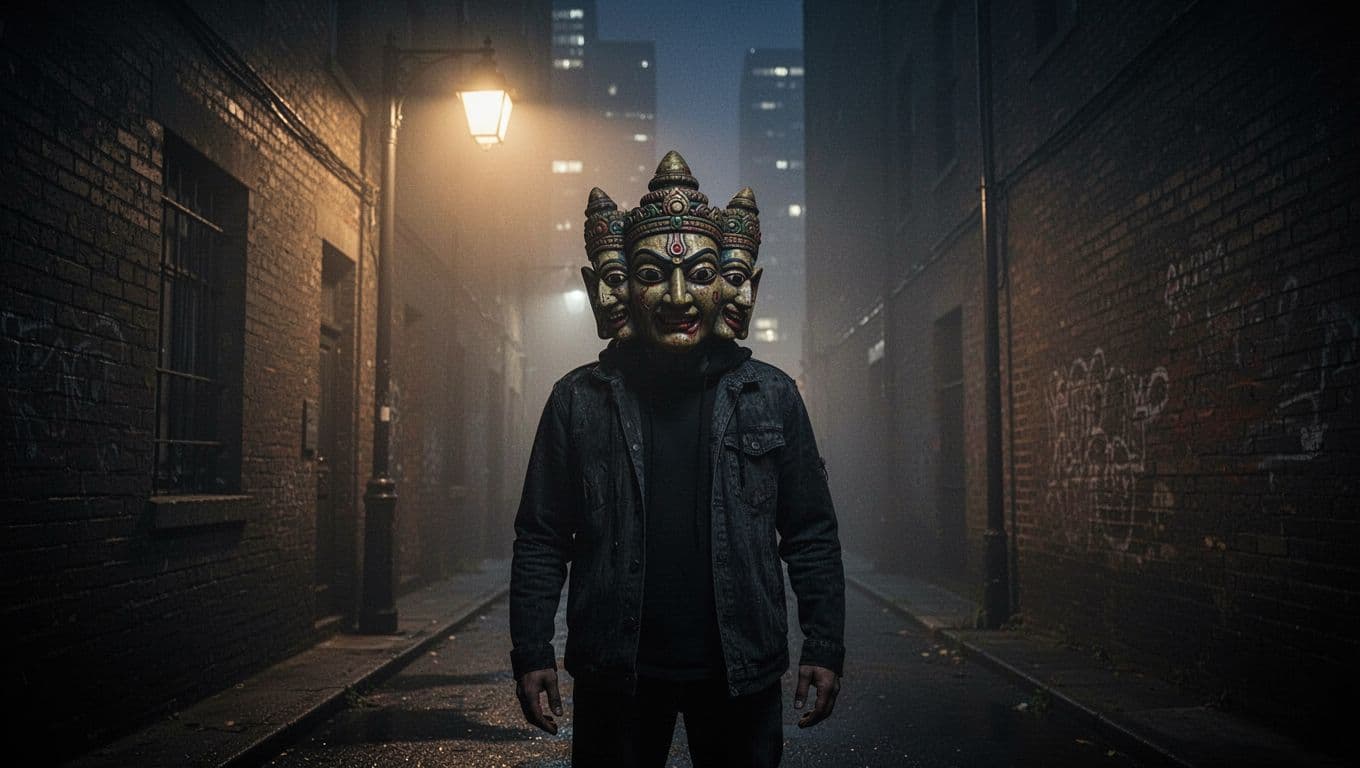
The Trimukha mask and the serial killings that start the panic
The three-faced “Trimukha” mask isn’t just a prop, it’s a message. It turns the killer into a symbol, the kind people whisper about before they even lock their doors. Because the face is fixed and unreadable, the crimes feel colder. The mask also muddies the basics of a manhunt: witnesses can’t describe expressions, and fear makes memories unreliable.
Shivani’s problem is simple to explain and brutal to live through. The murders look planned, but clues don’t line up. Pressure rises with each new victim, so every mistake becomes public. When panic spreads faster than evidence, even good policing can look like failure.
Why Dr. Yogi’s rational “paranormal” cases matter to Shivani’s hunt
Dr. Yogi’s thread is the film’s engine for doubt. Strange events appear to break logic, yet Yogi insists there’s a human explanation. That push and pull keeps the audience guessing: are we watching a crime story with eerie dressing, or something darker?
More importantly, the structure creates a satisfying kind of tension. Shivani follows physical evidence, while Yogi follows patterns in “impossible” incidents. As the film moves forward, those paths start to rhyme in unexpected ways (without spoiling how). It’s like watching two puzzles being solved on different tables, then realizing they share a few missing pieces.
The movie’s hook isn’t just “who did it?” It’s also “what’s real, and what’s staged to look unreal?”
Meet the key characters and the cast fans are watching
Trimukha keeps the focus on a small set of characters, which helps when the story starts stacking mysteries. The film is also getting attention because it puts familiar faces into unusual roles, especially in a genre that lives or dies on credibility.
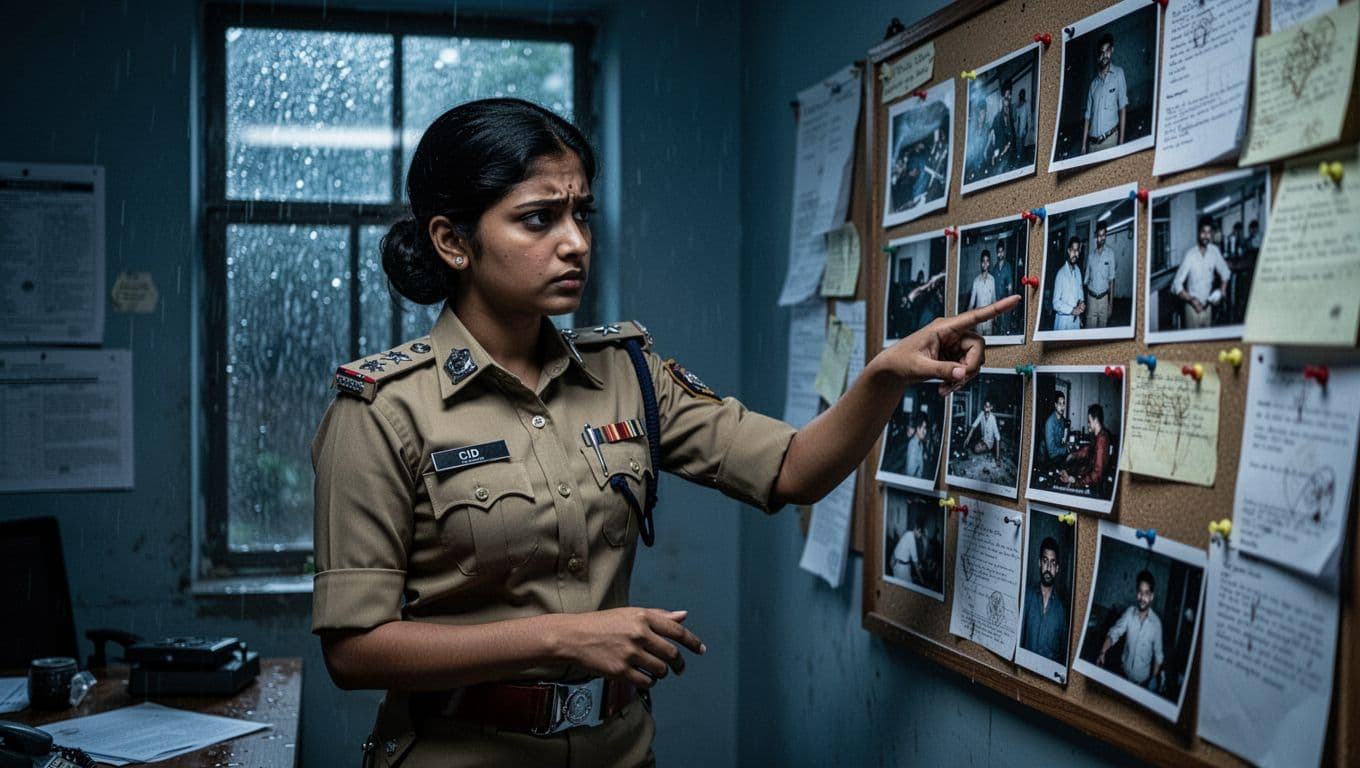
CID officer Shivani Rathod (Sunny Leone), the investigator under pressure
Sunny Leone plays CID officer Shivani Rathod, the story’s frontline against the serial killings. Her Shivani doesn’t get the luxury of slow thinking. The body count climbs, and the department needs results, not theories. That urgency gives the film its tightest moments, especially when the case refuses to behave like a normal pattern-based investigation.
What makes Shivani interesting is how often the film lets her be cornered. She isn’t painted as perfect. She pushes, misses details, and recalculates. Those stumbles make the pressure feel real, because most officers don’t get clean answers on the first try.
Dr. Yogi (Yogesh Kalle) and his mentor (Aditya Srivastava), the science-first angle
Yogesh Kalle’s Dr. Yogi is built on skepticism. He treats “haunting” stories like locked-room puzzles, and he looks for the trick wire before he ever blames a spirit. This angle gives the movie a second kind of chase, one that’s quieter but sharp.
Aditya Srivastava plays Yogi’s mentor figure, the person who assigns him three strange cases and watches how he handles them. The mentor role matters because it shapes how the audience reads Yogi. When a veteran takes the weird reports seriously, you start to wonder what’s hiding under them.
For more context on how critics framed the film’s ambition (and where they felt it wobbled), see The Hans India review of Trimukha.
Why Trimukha stands out as a crime thriller in 2026
Trimukha released on January 30, 2026, directed by Rajesh Naidu. In tone, it plays as a psychological crime thriller, but it keeps flirting with the supernatural, then tugging back toward logic. That balancing act is why some viewers find it addictive, and others find it messy.
What works best is the idea that fear can be engineered. When a city believes a mask is “cursed,” the killer gets extra cover. People stop trusting their own senses. A witness second-guesses what they saw, and that hesitation buys the criminal time.
Crime investigation plus “is it supernatural or not?” suspense
Plenty of serial killer films focus on procedure, evidence, interrogation rooms. Trimukha adds a foggy layer: eerie incidents that look like they shouldn’t be possible. Still, the movie keeps reminding you that humans love misdirection. Magic tricks rely on attention, and so do crimes.
That creates a clean tension line. Shivani’s hunt is physical and urgent. Yogi’s work is analytical and stubborn. When those energies start to overlap, the movie gets fun in a tense way. Even small details can feel loaded, like a harmless object suddenly becoming a clue.
Talk around the film: suspense, performances, and the common complaints
In March 2026, the talk around Trimukha sits in the mixed zone. Many people like the central mystery, the surprise factor near the end, and the attempt to blend two story modes. Performances also get attention, especially the steadiness of Yogesh Kalle’s skeptic role and Aditya Srivastava’s presence.
The downsides come up often too. Viewers mention that the second half can feel confusing, partly because multiple plot threads compete for space. Some reviews point to editing that could be tighter, plus a background score that can get loud when the scene is already tense.
A quick read of Sakshi Post’s Trimukha review and rating captures both sides: engaging ideas and twists, along with frustration about clarity and closure.
If you like puzzle-box stories, you’ll probably forgive a few rough edges. If you need clean answers, the film may test your patience.
Conclusion
Trimukha Movie 2026 is for viewers who enjoy masked-serial-killer mysteries, symbolic fear, and stories that blur logic with dread. It starts as a CID chase, then layers in “paranormal” puzzles that push the case into stranger territory. Expect strong suspense, plus a later stretch that can feel dense. If you’ve seen it, share your theory: do you prefer rational explanations, or movies that let the unknown linger?
Trending Movies: