
Sector 36
Fun Facts of Movie
Sector 36: A Gritty Hindi Thriller That Sticks With You
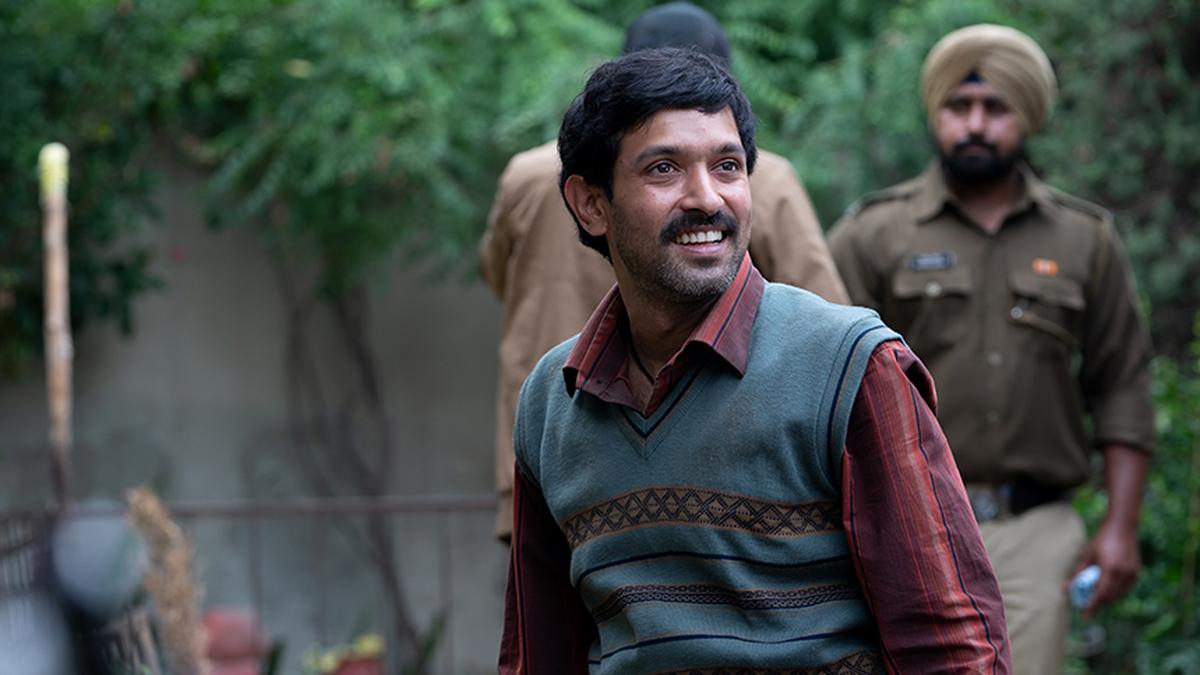
Some crime films entertain you, then fade. Sector 36 (a 2024 Hindi thriller on Netflix, released September 13, 2024) doesn’t fade. It’s dark, gritty, and quietly unsettling, the kind of movie that makes you sit up and stop scrolling.
This is a spoiler-free Sector 36 movie review focused on the setup, performances, and whether it’s worth your time. It draws inspiration from the 2006 Nithari killings, but it isn’t a documentary retelling. The film uses that real-world shadow to build its own story, and it’s careful about how it shows violence, even when the subject is hard to face.
If you want a cozy whodunit, skip it. If you can handle a bleak crime drama with strong acting and a heavy mood, keep reading.
What Sector 36 is about, and why it hooks you fast (no spoilers)
Sector 36 opens in a place that feels lived-in and worn down, a poor neighborhood on the edge of Delhi’s attention. Children start disappearing. Families plead for help. Officials shrug, delay, or look the other way. From the start, the movie makes one thing clear: the real terror isn’t only the person committing crimes, it’s how easy it is for the system to ignore the people being hurt.
Instead of building suspense through clever riddles, the film builds dread through time. Days pass. Leads go cold. Desperation grows. That approach creates a different kind of tension, like watching a fire spread while everyone argues about whose job it is to call the department.
The movie also has a blunt social edge. It shows how status can soften consequences. It shows how poverty can erase urgency. And it shows how the wrong kind of power can turn a neighborhood into a hunting ground.
This is a crime thriller, but it isn’t “fun” crime. There are no slick hero moments to cheer. The mood stays grim, and the stakes feel human, not cinematic.
The story’s core conflict: missing children, ignored families, and a broken system
The most effective scenes early on aren’t chases or reveals. They’re the quieter moments when parents report missing kids and get treated like a nuisance. That dynamic becomes the engine of the story. The families can’t force the system to care, and the people who should care often have reasons not to.
Because of that, the suspense doesn’t depend on constant twists. It depends on helplessness. Each delay feels like a door closing. Each brushed-off complaint feels like permission for the worst to continue.
The movie also keeps pointing to a larger truth: when institutions fail, predators get bolder. Sector 36 makes that point without speeches. It shows it through routine indifference and small corruptions that add up.
Is it based on a true story? How the Nithari case influence shows up
Sector 36 is widely discussed as being inspired by the Nithari killings, but it’s not a beat-by-beat recreation. It borrows the broad outline of a horrifying pattern (missing children, ignored warnings, rot behind closed doors) and then builds a fictional narrative around it.
If you want background on the real case, this explainer provides context without turning it into gossip: true story of the Nithari killings.
A quick sensitivity note matters here. Real victims existed, and real families lived through that pain. The film doesn’t treat the tragedy like a carnival attraction. It keeps the focus on dread and accountability rather than gore, although the subject alone will be too disturbing for some viewers.
Performances and characters that carry the tension
Sector 36 works because the acting refuses to wink at the audience. The cast plays it straight, which makes everything feel closer to real life. That realism is also why it can feel so uncomfortable. There’s no safe distance.
The movie centers on two forces moving toward each other: a man who can blend in when he wants, and a cop who has spent too long doing the bare minimum. Around them, you get families, neighbors, and minor officials who reflect a larger ecosystem of fear and fatigue.
It’s also worth saying: this isn’t a “character gallery” film where every side role gets a full arc. The leads carry most of the weight. When the movie hits hardest, it’s because of what their faces do in silence, not what the script explains.
Vikrant Massey as Prem Singh: charming on the surface, terrifying underneath
Vikrant Massey plays Prem Singh with control that feels almost polite. He doesn’t perform evil with loud signals. He offers small, normal behaviors, then lets something cold slip through. That contrast is what makes his performance land.
The scariest part is how grounded he stays. He doesn’t play Prem as a movie monster. He plays him as someone who knows how to appear harmless, which is exactly why the character feels plausible. When the film turns tense, it’s often because Massey makes you notice how easily a room can misread a person.
Viewers who enjoy serial-killer dramas will recognize the vibe, but Sector 36 doesn’t glamorize him. It keeps the character in a grimy world, and that choice blocks the usual “stylish villain” trap.
Deepak Dobriyal as SI Ram Charan Pandey: a flawed cop who changes when it gets personal
Deepak Dobriyal’s SI Ram Charan Pandey starts out as the kind of officer you don’t want to meet on your worst day. He’s dismissive, compromised, and too practiced at looking away. Early scenes make that clear without long backstory.
Then pressure builds. The case refuses to stay quiet. The community’s pain becomes harder to ignore, and the movie forces him into motion. What’s interesting is that the shift doesn’t turn him into a pure hero. He stays morally messy, and the film lets you sit with that discomfort.
Dobriyal plays him with a rough edge that fits the setting. His anger doesn’t look noble. It looks tired and reactive, like a man realizing too late that his shortcuts have a cost.
The film’s tension comes from who the system protects, and who it leaves behind.
Direction, pacing, and what works (and what doesn’t)
Director Aditya Nimbalkar keeps Sector 36 grounded. The camera often lingers at street level, in cramped rooms and worn corridors. The color palette leans dusty and dim, which matches the story’s emotional weight. Even when the plot intensifies, the filmmaking avoids flashy tricks.
That restraint helps, especially with material this sensitive. The film wants you to feel dread, not excitement. It avoids turning violence into a spectacle, even though the subject matter could easily slide into shock for shock’s sake.
At the same time, the movie isn’t perfect. Some stretches slow down, and a few supporting characters feel like they exist mainly to move the plot. Whether that bothers you depends on what you want from a thriller. If you need constant momentum, you might check the runtime and feel it. If you like slow-burn pressure, you’ll likely stay locked in.
A gritty, real-feel style that avoids turning tragedy into spectacle
Sector 36 uses atmosphere like a tightening knot. The sound design and cramped spaces do a lot of heavy lifting. Instead of relying on jump scares, it relies on inevitability. You can sense something awful approaching even before the story confirms it.
The film also puts class front and center. Wealth feels like insulation here, while poverty feels exposed. That theme doesn’t come through as a lecture. It comes through as routine behavior: who gets listened to, who gets mocked, who gets stalled in a hallway.
That grounded tone is also why many people describe the movie as hard to shake off. It doesn’t end with comfort. It ends with a weight.
Pacing and supporting cast: where the film may lose some viewers
The pacing dips in a few places, especially when the story pauses to move pieces into position. Those sections aren’t confusing, but they can feel repetitive if you already understand the film’s point about indifference and delay.
Some side roles also land thin. A few characters appear, serve a function, then vanish without much texture. The leads are strong enough to cover that, but the world sometimes feels less populated than it should, given the scale of the crisis.
Still, if you’re in the mood for a grim procedural-style thriller, the slower stretches may feel like part of the experience. The movie often chooses tension through waiting, and that choice is consistent, even when it tests patience.
Should you watch Sector 36? Best audience fit, content warnings, and final verdict
Sector 36 is streaming on Netflix, and it’s best watched with your full attention. This isn’t a background movie. Small details in behavior and timing matter, and the mood depends on staying present.
It also performed strongly early on Netflix. Reported viewership rose from about 3.6 million views in its first week to about 6.1 million in its second week, and it reached #3 on Netflix’s global Top 10 non-English films list in week one. Numbers don’t prove quality, but they do show the film connected with a lot of viewers quickly.
For a quick snapshot of broader reception, the film sits at 47% from critics and 71% from audiences on Rotten Tomatoes as of March 2026: Sector 36 ratings on Rotten Tomatoes.
Here’s the simplest guidance:
- Watch it if you like serious crime dramas, slow-burn thrillers, or films that criticize power and apathy.
- Skip it if you’re sensitive to stories about harm to children, or if you want light entertainment.
- Proceed carefully if you avoid disturbing material. The film isn’t constant gore, but the subject and mood are heavy.
Content warnings (no spoilers)
Sector 36 includes themes and scenes involving missing children, violence, corruption, poverty, and an unsettling serial-crime atmosphere. Even when the film holds back visually, the idea of what’s happening can hit hard.
Verdict
Rating: 3.5 out of 5. Sector 36 is bleak, well-acted, and confident in its tone. Vikrant Massey and Deepak Dobriyal keep the tension tight, and the social critique adds bite. The main drawbacks are pacing dips and a few underwritten supporting roles. If you can handle the subject matter, it’s one of Netflix’s more gripping Hindi thrillers in recent years.
In the end, Sector 36 asks a nasty question: what grows in the space between a cry for help and the moment someone finally listens? Its best scenes don’t give easy answers, they just leave a mark.
Trending Movies:
Mana ShankaraVaraprasad Garu
