
Lucky Baskhar
Fun Facts of Movie
Lucky Baskhar True Story Check (What’s Real vs Fiction)
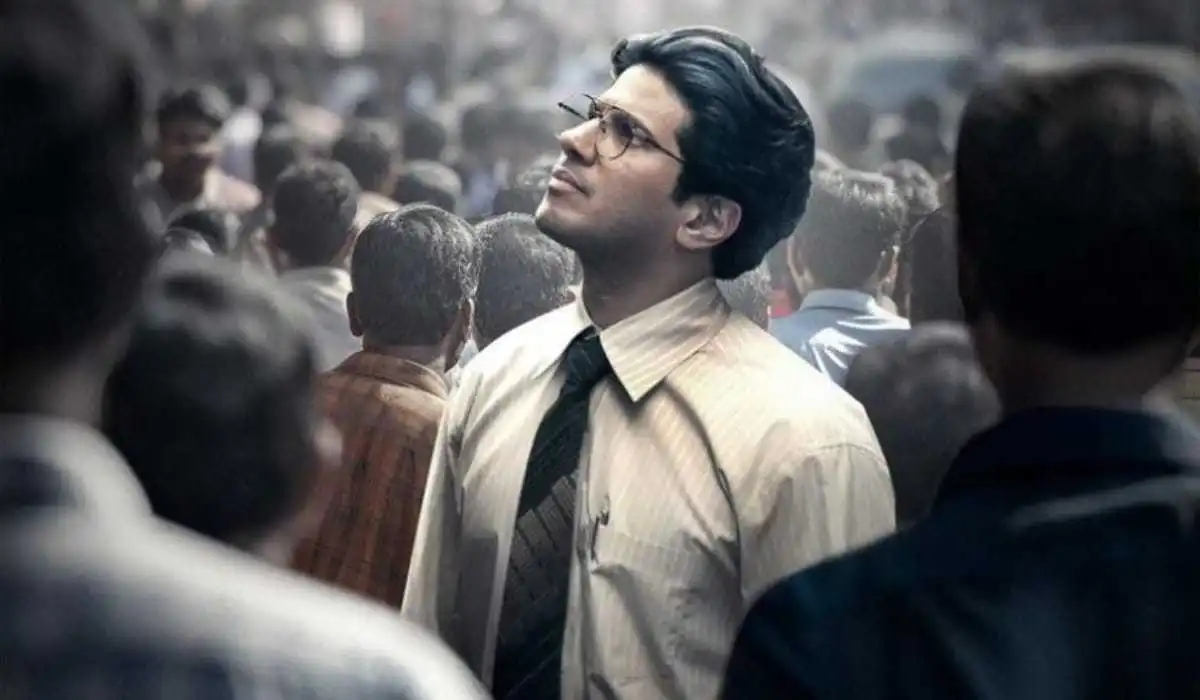
In films packed with noisy blasts and exaggerated action, Lucky Baskhar feels like a welcome change. Venky Atluri directs, and Dulquer Salmaan leads with ease. The movie centers on a struggle many people know well, a middle-class man trying to keep his head above water in a system that often rewards the wealthy.
Set in Bombay from the late 1980s into the early 1990s, this is not only a crime thriller. It also keeps its focus on money, family pressure, and the hard calls people make when options run out.
The Plot: A Clerk Who Wants More
The story follows Baskhar Kumar, a sincere cashier at Magadha Bank. He is the classic common man. He shares a modest home with his wife, Sumathi, their young son, and other family members. Every day comes with the same worries, stretching each rupee, dodging lenders, and waiting for a promotion that never arrives.
Everything shifts when Baskhar gets ignored for a promotion yet again, and someone less capable gets the job. The slight hits him hard. He wants a better life for his family, and he stops playing by the rules. Using what he knows about banking, he starts running small scams that quickly grow into larger moves tied to the stock market and influential players.
The film stays interesting because it does not treat wealth like a simple victory. It shows the price that comes with it. As Baskhar’s money piles up, so do the changes in him. He turns sharper, more daring, and at times distant with the people closest to him. Pressure builds as the CBI begins tracking the trail, and the chase becomes a tense battle of timing and brains.
Dulquer Salmaan Carries the Film
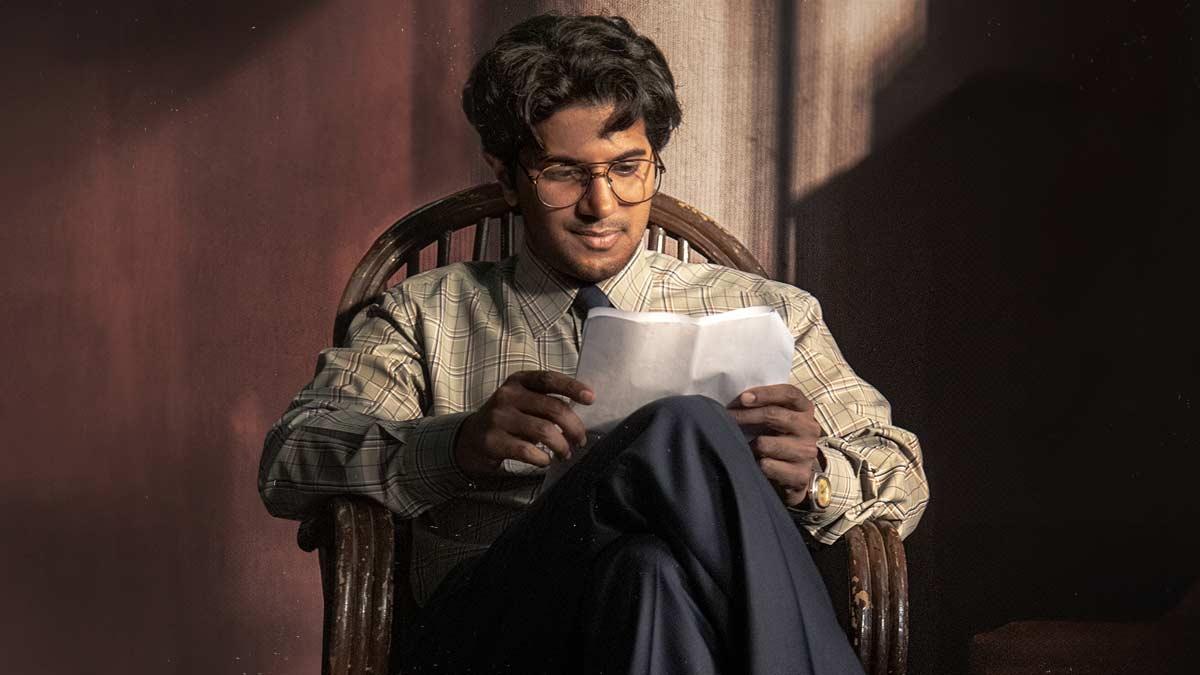
The movie’s core strength is Dulquer Salmaan. He looks completely believable as a worn-out bank clerk in a faded shirt, and he also sells the shift into a confident man in crisp suits.
- A Hero People Recognize: Early on, Dulquer shows the fatigue of constant money stress. His frustration feels real when he cannot afford small joys for his child, or when a lender humiliates him in public.
- A Quick-Thinker on a Roll: Once Baskhar starts winning, Dulquer adjusts his posture and pace. A sly smile and steady tone pull viewers in, even when Baskhar crosses legal lines.
- Talking Straight to the Audience: Baskhar often speaks directly to viewers. He breaks down banking ideas in simple terms, making the audience feel involved in every risky step.
Meenakshi Chaudhary, as Sumathi, adds real weight to the story. She is not there only to fill scenes. She acts as Baskhar’s moral anchor, and her doubts about the money raise the emotional stakes.
Direction and Writing That Stay Clear
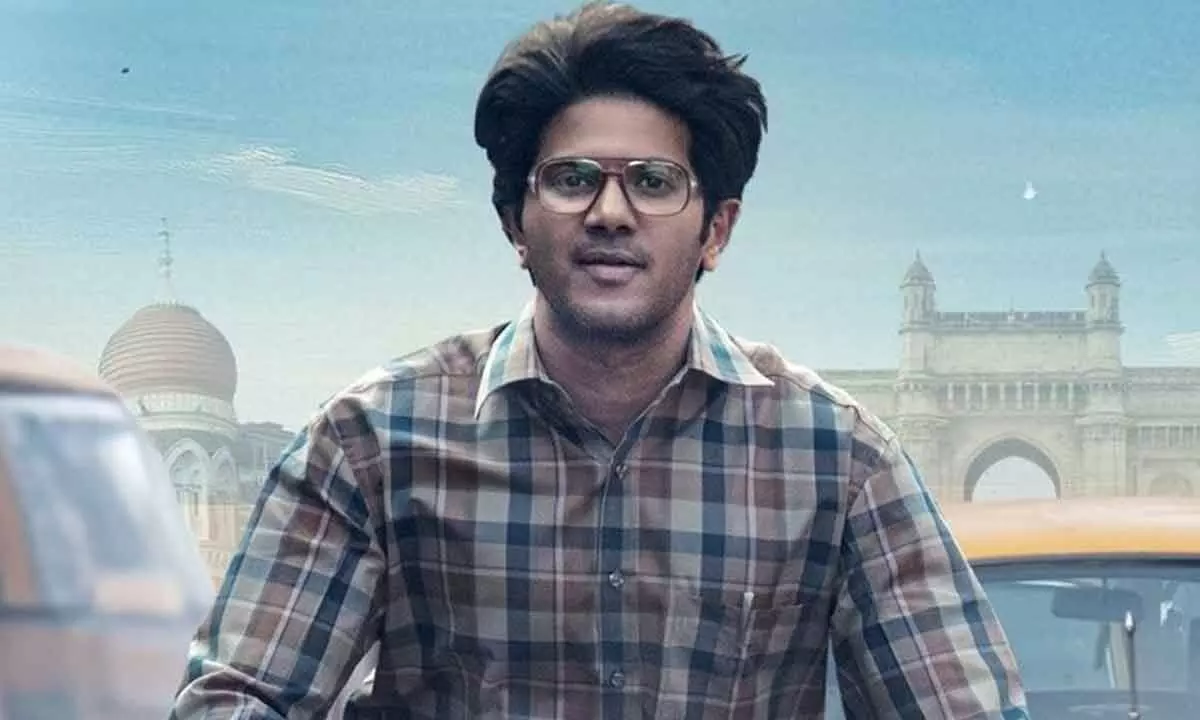
Venky Atluri earns credit for making banking fraud and stock market moves easy to follow. Viewers may connect parts of the story to the Harshad Mehta era (shown here through the character “Harsha Mehra”). While other projects on this subject can get heavy with details, Lucky Baskhar keeps the idea simple and readable.
The script also uses running as a quiet theme. Baskhar runs when he has nothing, he runs as he lands his first big win, and he runs when he tries to protect his home life. These small choices give the writing a smart, steady rhythm.
The 1990s Bombay Look and Feel
The technical work helps sell the time period.
- Cinematography and Production Design: Warm tones add a sense of memory and mood. The bank interiors, crowded streets, and older cars look natural, and the setting never feels forced.
- Music and Score: G.V. Prakash Kumar’s background score stands out. A ticking sound returns during tense moments, adding urgency like a clock running down. The songs fit well, but the score does most of the heavy lifting in the scam and chase sequences.
Themes: Luck, Money, and Self-Control
The title Lucky Baskhar carries a bit of irony. People call Baskhar “lucky,” but the film makes it clear that his rise comes from skill and nerve, not chance. It also presses a bigger idea, knowing when to stop.
Many crime stories show a lead character destroyed by greed. This film takes a different route. Baskhar understands power and timing, and he tries to set limits. It also speaks to a familiar middle-class conflict, wanting to stay honest while also wanting respect, and knowing respect often follows money.
“I am not bad; I am just rich.”
That line sums up Baskhar’s mindset. He does not see himself as a villain. He sees himself as someone who learned how to win a rigged system.
Why It’s Worth Watching
Lucky Baskhar balances a sharp con story with a grounded family drama. It does not depend on huge fights or nonstop noise. It holds attention through solid writing, clean dialogue, and a strong lead performance.
What works:
- Dulquer Salmaan’s performance, from restraint to swagger.
- Clear explanations of banking and stock market moves, without heavy jargon.
- Strong family dynamics that feel believable.
- An ending that ties the main threads together.
Small issues:
- The second half slows at points when the family track takes the lead.
- A few escapes feel too neat, as if luck shows up at the right time.
Final Take
Lucky Baskhar stands out as a smart, crowd-friendly film that trusts its audience. It tells the story of a small-time clerk who refuses to stay small when bigger forces begin to crack.
Fans of crime dramas, underdog stories, or character-driven films should have a good time with it. It leaves a simple reminder, money brings comfort, but choices made for family reveal a person’s true character.
iBomma Rating: 4 out of 5 stars