
Baby Do Die Do
Fun Facts of Movie
Baby Do Die Do (2026) Movie Review: Huma Qureshi Leads
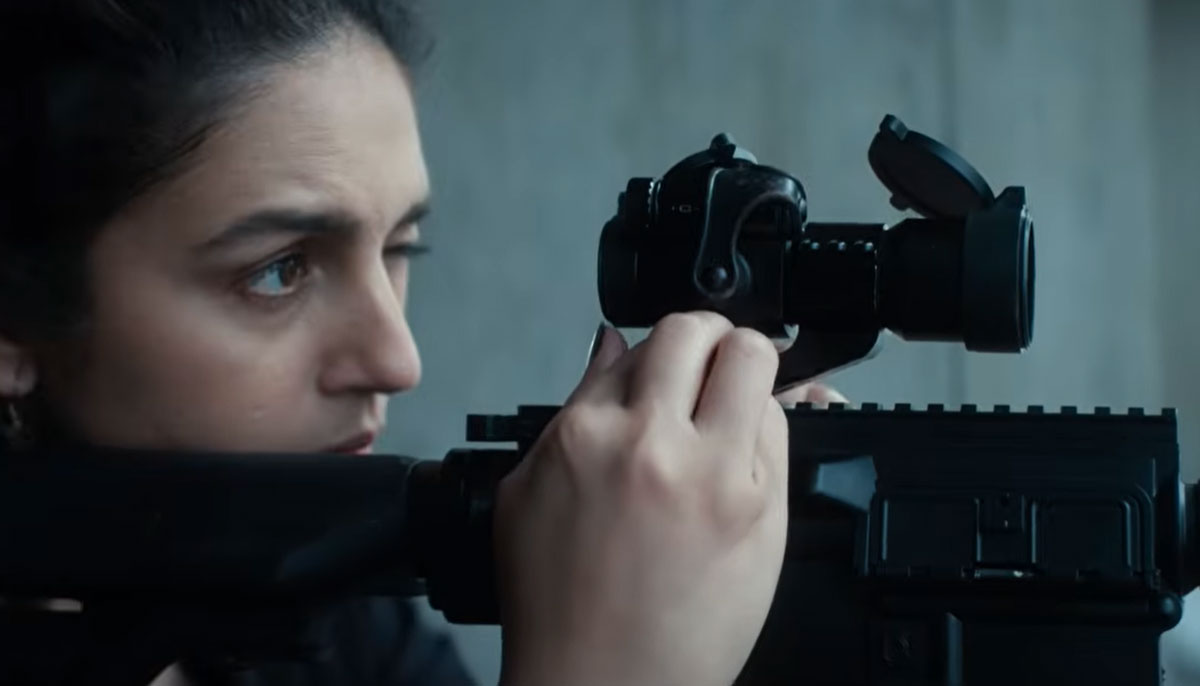
Some thrillers shout to get your attention. Baby Do Die Do doesn’t need to. This Hindi crime thriller mixes action, mystery, and dark humor around Huma Qureshi’s Baby KarMarkar, a deaf and mute assassin whose life is built on loss, anger, and survival.
What makes it click is the mix of revenge and feeling. The movie keeps circling a painful past while pushing through Mumbai’s noise, crime, and chaos. If you want a film that moves with attitude and still leaves room for grief, this one has a clear pull.
What Baby Do Die Do is about, and why the setup works
Directed by Nachiket Samant and released in India on 3 July 2026, the film is easy to grasp even before the first big twist lands. Baby KarMarkar grows into a contract killer after a childhood trauma, but the story never treats her like a simple weapon. She is someone who has learned to survive by splitting her life in two. By day, she can seem almost ordinary. By night, she takes jobs, hunts targets, and moves through Mumbai like she was made for the city’s shadows. The basic credits and release details line up on the film’s IMDb listing.
Even the title carries a joke with teeth. It plays off Baby KarMarkar’s name, which becomes “Do, Die, Do” in English, a rhythm that fits the film’s pulpy tone and its heavy sense of repetition. That translation is also reflected in the Wikipedia summary, which makes the title feel less like a gimmick and more like a warning.
Baby KarMarkar’s revenge story starts with a childhood trauma
The opening trauma is blunt and hard to forget. Two teenage twin sisters slip into an abandoned part of a five-star hotel in Mumbai, and curiosity turns deadly. Baby, who is deaf and mute, follows her sister with the help of an anklet tied around her ankle. Then comes a severed ear, a blood trail, a door marked with a red cross, and a murder that changes the rest of her life.
The film handles this setup well because it gives Baby a clear reason to keep moving. She loses the person who helped her read the world, and that loss keeps shaping everything she does. The revenge story never feels random, because the childhood wound stays visible under every later choice.
A hitwoman with a second life in Mumbai
Adult Baby is trained, controlled, and much more dangerous than the people around her expect. She kills for money, but the movie gives her a public side that feels softer and more human. That contrast matters, because it keeps her from turning into a flat action figure. She can enter a room looking guarded and leave it looking lethal.
The title of “India’s first desi hitwoman” fits that idea well. Baby is not written as a glossy fantasy. She is practical, wounded, and hard to read. Her sharp-shooting umbrella weapon also captures the film’s tone, since it makes the violence feel stylish without stripping away the danger.
Huma Qureshi carries the Baby Do Die Do review with real presence
Huma Qureshi is the reason this movie keeps its balance. Baby barely speaks, so the performance has to live in posture, eye movement, and stillness. Qureshi gets that right. She lets pain sit behind the character’s face without turning every scene into a show of suffering. That restraint gives Baby real weight.
The role could have become thin if the silence felt like a stunt. Instead, it feels lived in. Baby looks alert even when she is still, and that alertness tells you how damaged she is. A short viewer reaction like this Instagram review keeps circling back to the same thing, her eyes do more work than most characters’ dialogue.
Baby’s silence never feels empty, because the movie keeps finding ways to let her body speak.
Why the performance feels sharp and memorable
Qureshi’s physical control gives the film a clean center. A small pause before a move, a glance toward a doorway, or a slight shift in weight tells you where Baby’s mind is. That matters in a movie like this, because the character cannot rely on speeches or long explanations.
She also avoids the trap of overplaying pain. Baby is angry, but she is not a tantrum. She carries the character with a kind of compressed energy that makes the action scenes hit harder. Every time she strikes, the violence feels like it came from somewhere deeper than the moment in front of her.
How the supporting cast helps the story stay grounded
Chunky Pandey gives PM Jain enough warmth to make the relationship complicated. He plays the role like a father figure who can turn into a boss without warning, which gives Baby’s loyalty and anger real tension. Sikandar Kher adds threat as Zafar, while Rachit Singh brings a gentler rhythm as Siddhu, the love interest who gives the film a small pocket of calm.
Seema Pahwa also lands well as Anjum Khan. She brings authority without turning the character stiff, and that makes her scenes feel alive. The supporting cast does not crowd Baby, which is smart. Instead, they shape the pressure around her and keep the world from feeling empty.
The film’s action, pace, and Mumbai setting do a lot of heavy lifting
The movie moves fast, but it doesn’t feel rushed. Once the revenge engine is in place, the script keeps the scenes tight and the emotion clear. That helps a lot in a film with a silent lead, because every moment has to do real work. The result is a thriller that keeps pushing forward without losing its shape.
The action is also easy to follow. Chases stay readable, fights are built around clear movement, and the violence lands with enough style to keep the crime-comedy tone alive. The A-rated edge gives the movie room to be blunt. At the same time, it never becomes messy for the sake of noise.
Action scenes that stay clear and easy to follow
One of the film’s best choices is that it lets the action speak in plain terms. You always know what Baby wants, who is in her way, and why the scene matters. That is harder to pull off than it sounds, especially when the lead character can’t use dialogue to explain herself.
The umbrella weapon is the best example of the film’s tone. It looks playful for a second, then becomes part of the threat. That mix of dark humor and danger helps the movie feel distinct. It also gives the action a little personality, which many crime thrillers never find.
How the city becomes part of the storytelling
Mumbai is more than a backdrop here. The film uses crowded trains, chawls, under-construction sites, and polished offices to show how different layers of the city sit beside each other. Baby can move from one world to another in minutes, but the mood shifts every time she does.
That gives the movie its texture. Mumbai feels sweaty, loud, and full of people who know how to look away. Baby’s isolation becomes sharper because she is always surrounded and still alone. If you like Indian action stories where the setting shapes the mood, Kingdom 2025 Telugu movie offers a different but similarly urgent kind of pressure.
Themes that give Baby Do Die Do more meaning than a simple revenge plot
The movie knows revenge is rarely clean. Baby’s violence grows out of grief, but it also grows out of years spent living with a wound that never closed. The story keeps returning to her sister because that loss still drives everything. Even the small details, like the payal tied to memory, give the film an emotional anchor.
That matters because it keeps the movie from becoming just another assassin story. Baby is not chasing justice in a neat or legal sense. She is trying to make sense of a life that broke before she had the words to explain it. As a result, the revenge plot lands as pain first and spectacle second.
Childhood pain, grief, and the need for revenge
The emotional math here is simple, and that helps. Baby loses her sister, then spends years living inside that loss. Every violent choice feels like another attempt to answer a question the world never answered for her.
The payal is a strong symbol because it keeps the sister present without forcing the film into speeches about memory. It works like a bruise you can see. The movie returns to it just enough to remind you that the revenge belongs to a person, not an idea.
The story’s use of silence, disability, and communication
Baby’s deaf and mute identity shapes the whole film. Conversations happen through looks, timing, touches, and the people around her paying attention. That makes the movie feel visual in a way many crime thrillers ignore. Silence is part of the design, and the sound work uses that space well.
The writing also handles her disability without turning it into a lesson. Baby is not presented as less capable. She is presented as someone who communicates differently, and that difference becomes part of the suspense. It gives the movie a sharper edge and keeps the character in control of her own story.
Conclusion
Baby Do Die Do works best when it leans into Huma Qureshi’s presence, the Mumbai setting, and the film’s pulpy revenge energy. It is at its weakest when the familiar crime-thriller beats show through too clearly, but the lead performance keeps those moments from dragging.
If you like revenge dramas, crime thrillers, and strong screen presence more than polished realism, this one is worth your time. If you want another recent Indian action title to pair with it, Coolie 2025 is a natural follow-up.