
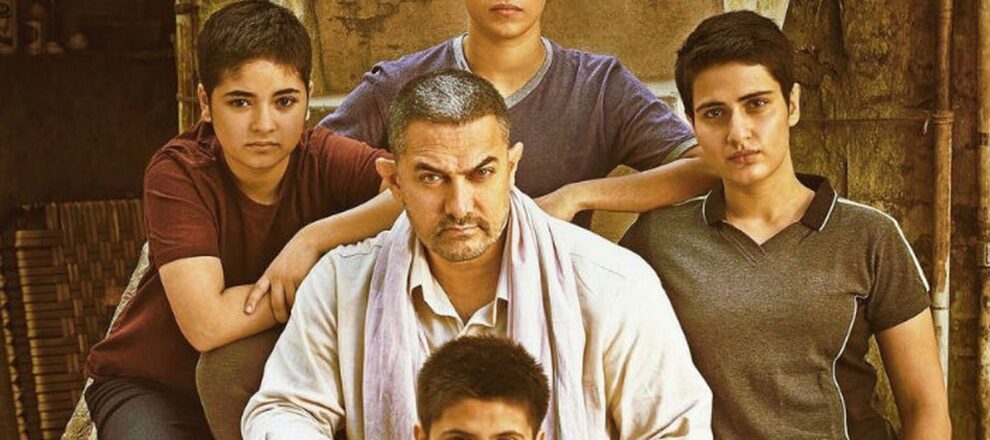
New Delhi, February 22, 2026: Almost ten years after it hit theaters, Dangal still stands tall as one of Indian cinema’s biggest and most loved films. Nitesh Tiwari directed this 2016 biographical sports drama, with Aamir Khan leading the cast in one of his most memorable roles.
The movie takes a true story about grit, family pressure, and pushing back against gender bias, then turns it into an experience that connected with audiences worldwide. Along with hard-hitting wrestling scenes, Dangal carries a clear message about women’s empowerment, equal opportunity, and not giving up.
The Real Story That Inspired Dangal
Dangal is based on the life of Mahavir Singh Phogat, a former national-level wrestler from Balali, Haryana. After life forces him to leave the sport and take a steady job, he feels the weight of an unfinished goal. He also carries the regret of not winning an international medal for India. Because of that, he promises himself that his future son will achieve what he couldn’t.
But life takes another turn. Mahavir and his wife, Daya Kaur, welcome four daughters. At first, he struggles to accept it, mostly because his community values sons more than daughters. Still, his thinking changes when his older girls, Geeta and Babita, fight back against boys who mock them and actually beat them up.
From that moment, Mahavir spots their strength and drive. So he starts training them with strict routines and old-school discipline. Over time, the girls move from local akharas (wrestling pits) to major competitions. The story builds toward Geeta’s gold medal at the 2010 Commonwealth Games, a win that made headlines and changed how many people viewed women in combat sports.
The film adds drama in places, including conflicts at home and fast training montages. Even so, the core remains close to real events. Geeta Phogat became India’s first female wrestler to qualify for the Olympics. Meanwhile, Babita Kumari earned wide respect through medals at the Commonwealth Games and the World Championships. In addition, the Phogat family’s journey continues to influence young athletes across India.
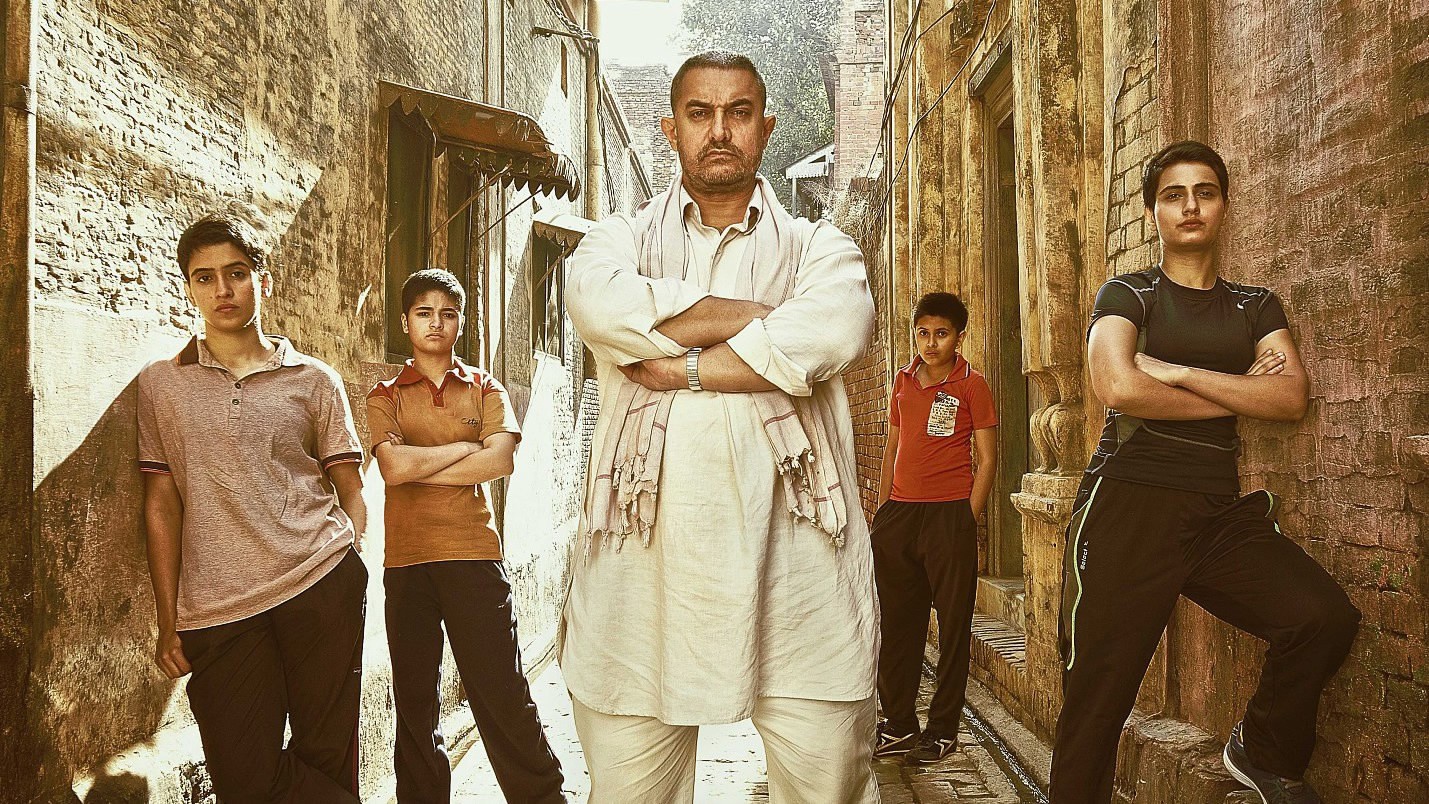
Plot Summary: One Father’s Dream, Two Daughters’ Rise
The story begins with Mahavir (Aamir Khan) wrestling in local matches, where his talent is clear. Soon after, family expectations and responsibility pull him away from the sport. Years later, he lives a quieter life with a government job, and he trains local boys on the side. Still, he can’t shake the feeling that his biggest dream ended too soon.
Then Geeta (young: Zaira Wasim, adult: Fatima Sana Shaikh) and Babita (young: Suhani Bhatnagar, adult: Sanya Malhotra) prove themselves in a street fight. Mahavir sees a chance and commits fully. He sets tough rules, early mornings, punishing workouts, and zero excuses. Most importantly, he trains them like any male wrestler, even when the village laughs at him.
As the girls improve, problems grow too. People mock them for wrestling because they are girls. Money stays tight. On top of that, teenage frustration and social pressure test everyone’s patience. Later, Geeta joins a national sports academy and learns newer methods, which brings her into conflict with her father’s approach. That tension becomes the heart of the film, because their bond gets pushed hard but never truly breaks.
In the final stretch, the focus shifts to international competition. Geeta faces pressure and tough opponents, and she must trust herself at the biggest moment. When she chooses the techniques her father taught her, the payoff feels earned. Throughout the movie, themes like gender equality, determination, and pride in representing India stay front and center.
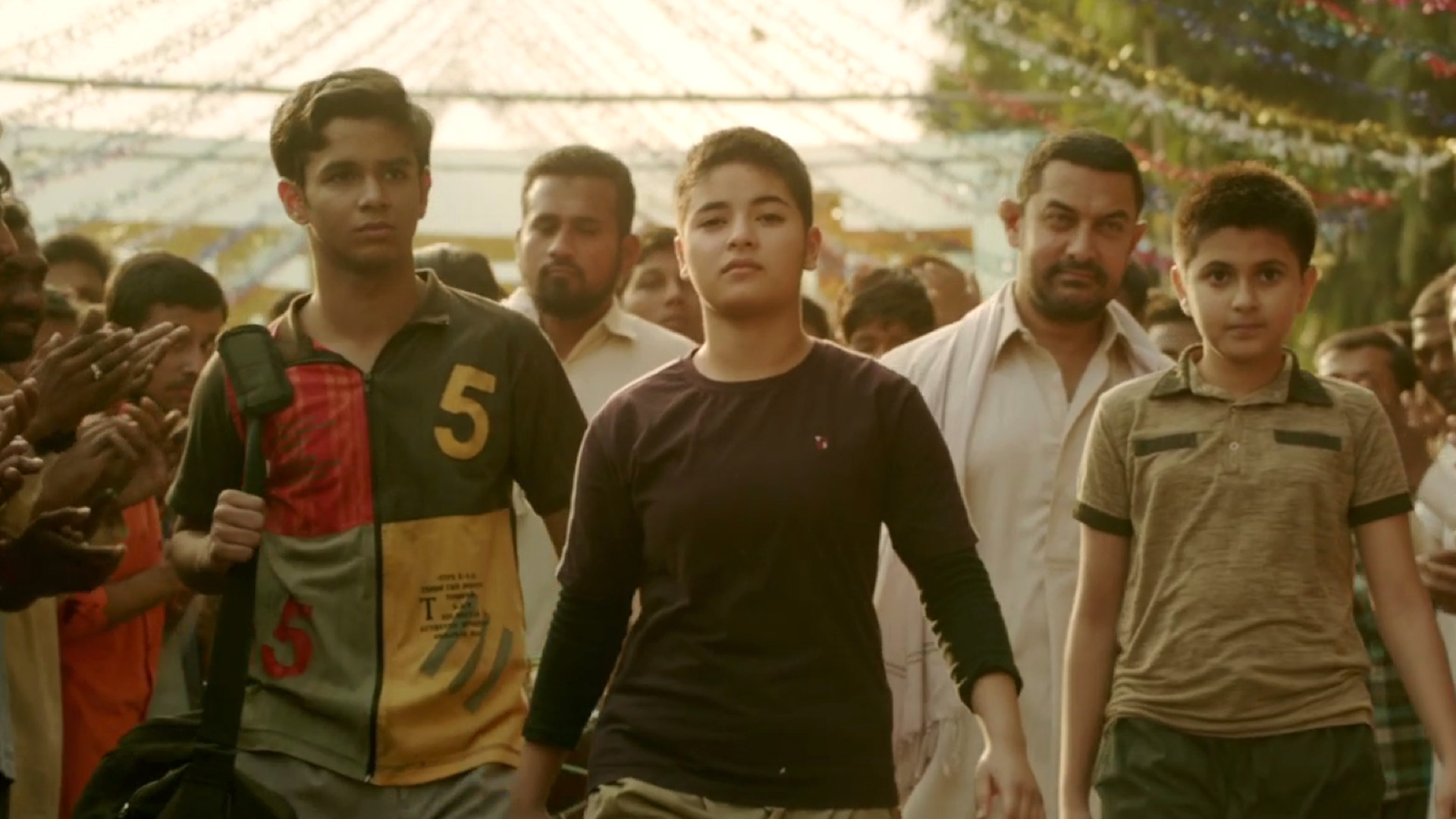
Cast and Performances That Made It Hit Harder
Aamir Khan plays Mahavir Singh Phogat with control and intensity. He shows a man who can be harsh, but also deeply caring. His physical change for the role also drew major attention and praise.
- Fatima Sana Shaikh as adult Geeta Phogat: Shows Geeta’s anger, growth, and confidence believably.
- Sanya Malhotra as adult Babita Kumari: Brings warmth and strength, even when the spotlight isn’t on her.
- Zaira Wasim as young Geeta: Makes a strong impression with her focus and energy (she later left acting).
- Sakshi Tanwar as Daya Kaur: Grounds the story with calm support and steady emotion.
- Aparshakti Khurana as Mahavir’s nephew: Adds humor and heart without pulling attention from the main story.
Other supporting actors, including Girish Kulkarni, also help the film feel real and rooted.
Reviews and Audience Response
Critics praised Dangal for its storytelling, direction, and emotional pull. Many also highlighted how it speaks directly about female empowerment and breaking social rules that limit girls. On Rotten Tomatoes, the film holds an 89% approval rating, with reviewers often pointing to how it avoids the usual sports movie traps.
Common points of praise included:
- A strong message about women’s sports and equal respect
- Aamir Khan’s performance is one of his best
- A story that connects because it comes from real life
- Wrestling scenes that feel intense and easy to follow
Some reviewers mentioned familiar beats in the structure. Still, the overall response stayed highly positive. Viewers also turned the movie into a word-of-mouth hit, which helped it become more than a box office success. It became a shared family watch, especially for people who wanted stories with meaning and heart.
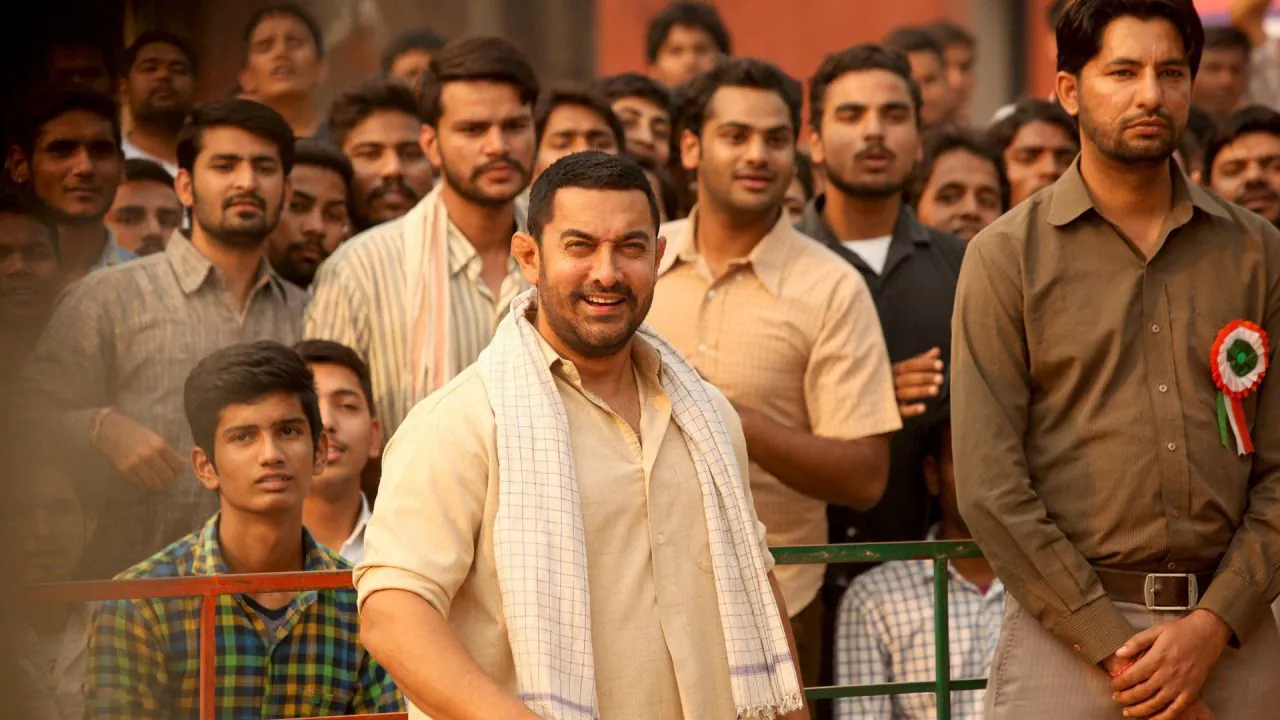
Box Office Power: Records in India and Beyond
When Dangal released on December 23, 2016, it quickly became a huge commercial success.
- India net collection: Around ₹387 crore (gross about ₹538 crore)
- China: Over ₹1,300 crore (roughly $200 million+), making it the highest-grossing Indian film there and one of the top foreign releases
- Worldwide gross: Estimates range from ₹1,968 crore to over ₹2,070 crore (about $300 million+), and it became the first Indian film to pass $300 million globally
It also set major benchmarks:
- It became one of the highest-grossing Hindi films worldwide for years.
- In China, it performed on a level few Indian films have ever reached.
- It also found strong audiences in North America and other markets.
With a reported budget of around ₹70 crore, the return was massive. As a result, Dangal strengthened Aamir Khan’s reputation for films that mix big emotions with big business.
Awards and Recognition
Dangal picked up many major honors and won across categories.
- Filmfare Awards: Best Film, Best Actor (Aamir Khan), Best Director (Nitesh Tiwari), Best Action
- International recognition: Best Asian Film at Australia’s AACTA Awards, plus Best Foreign Film and Top Foreign Actor awards at other events
Still, the movie’s influence went beyond trophies. It helped shine a brighter light on women’s wrestling in India, and it encouraged more girls to try the sport.
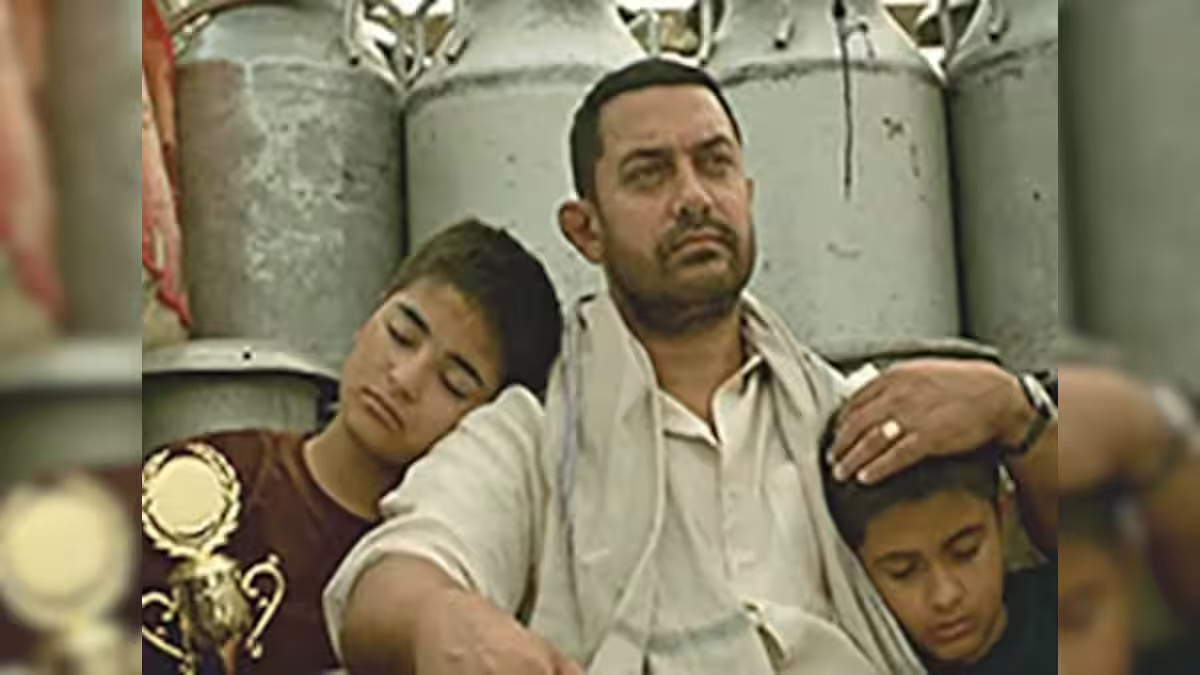
Why Dangal Still Matters in 2026
Even now, Dangal holds its place as a modern classic. It pushed back against old gender rules, celebrated athletic discipline, and proved that a strong story can travel far beyond language and borders. Its popularity in China also showed how universal its themes are when they are told clearly and with care.
For fans of sports biopics, Bollywood dramas, or stories about overcoming odds, Dangal remains a must-watch. Its core point still lands today: a gold medal counts the same, no matter who wins it.
At a time when many films feel predictable, Dangal continues to stand out because it keeps things simple, honest, and human.