
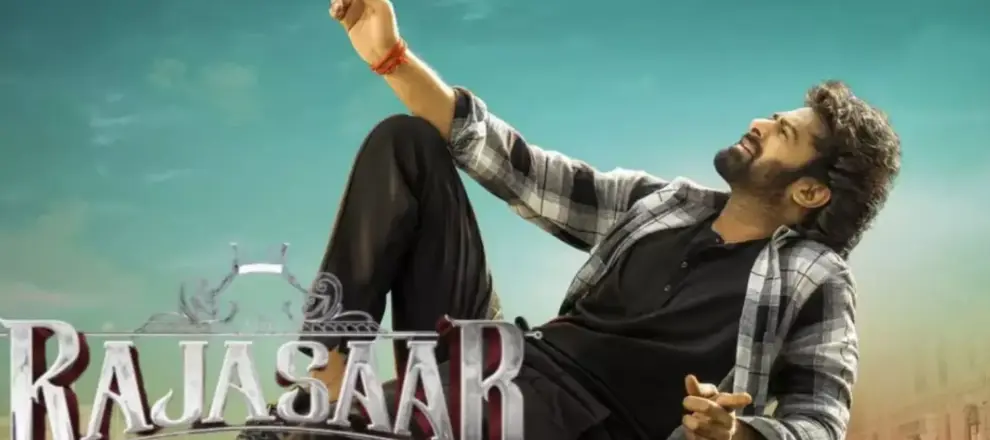
If you’re going into The Raja Saab expecting clean horror or tight storytelling, reset that idea now. This Telugu fantasy horror comedy, directed by Maruthi and led by Prabhas, plays like a haunted-house ride that keeps switching tracks. It’s loud, glossy, and often funny on purpose, sometimes funny by accident.
Released in theaters on January 9, 2026, the film later arrived as an extended cut on JioHotstar from February 6, 2026. The vibe is clear even when the plot isn’t: horror plus comedy plus romance, with a mystery engine underneath.
This review stays spoiler-free upfront, then sticks to light spoilers later. It covers story clarity, performances, scares versus laughs, visuals, pacing, and whether the extended cut actually helps.
What The Raja Saab is about, and why the story feels messy
At its simplest, The Raja Saab starts with a personal problem that turns supernatural. A young man (Prabhas) gets pulled into the search for his missing grandfather, which leads him to a mansion that feels “wrong” the moment you see it. Doors don’t behave, shadows hang too long, and the house seems to watch the visitors’ backs.
From there, the movie stacks genres like plates at a buffet. You get fantasy lore, horror set pieces, broad comedy, a romance track, and a mystery about what happened in the past. Some versions of the story also play with royal heritage themes and a “true identity” angle, which adds another layer of ambition.
That ambition is also the problem. The movie often feels like three movies fighting for the same screen time. When it commits to a spooky mood, a gag cuts the tension. When it lands a joke, a lore dump arrives to explain rules that won’t matter later. Even the emotional beats show up, then hurry away before they sink in.
A good genre mix should feel like a good masala dish. Here, the flavors don’t always blend. You can still enjoy the ride, but don’t expect a straight line from setup to payoff. Several critics made a similar point, including The Hindu’s review of The Raja Saab, which called out how the humor and intent don’t consistently connect.
Does the horror actually scare, or is it mostly style?
The horror in The Raja Saab is more “spooky aesthetic” than “sleep-with-the-lights-on.” It uses jump scares, eerie corridors, sudden sound stings, and supernatural threats that show up right on cue. The mansion vibe is the best weapon the film has, because it naturally creates tension.
Still, the scares rarely build. A lot of sequences start well, then end with a punchline or a noisy reveal that drains the fear. In addition, some visual effects look unfinished in motion. When that happens, a moment meant to feel dangerous can turn into a cartoon beat.
If you want true horror, this won’t scratch that itch. If you like light horror with a playful tone, it’s closer to a Halloween comfort watch. Think “spooky story told with a grin,” not a film that tries to terrify you.
The best way to watch this is to treat the horror as set dressing, then enjoy the comedy and spectacle when they hit.
The runtime problem: where the pacing slows down
The reported runtime sits around 3 hours 10 minutes, and you feel it. The first stretch spends a long time setting up relationships, rules, and threads that don’t pay off evenly. That wouldn’t hurt as much if the plot stayed focused, but the film keeps doubling back.
The mid-section drags the most. A few beats repeat, the comedy runs in circles, and side characters appear for business that doesn’t move the core mystery forward. Meanwhile, the movie saves some of its most interesting reveals for late, which makes the middle feel like waiting for the “real story” to start.
That said, some viewers enjoy long, chaotic genre mixes the same way they enjoy a long wedding feast. You’re not there for a perfect menu. You’re there to sample everything. If that’s you, the runtime becomes less painful, especially at home, where pauses are easy.
Performances and characters: who works, who feels underwritten
Even when the writing gets messy, the cast keeps the film watchable. The big question is whether the characters feel like people or just chess pieces moved into place for the next set piece.
Prabhas anchors the movie with a relaxed charm. He plays to the crowd, but he also tries to ground the emotional moments when the film lets him. The best scenes are usually the ones where he reacts to the madness around him, because his timing sells the absurdity.
The character writing, however, often stays shallow. Motivations change fast, and some key relationships are sketched rather than built. You’ll notice it most in the romance track, which sometimes feels like it’s borrowing energy from a different film.
A few supporting performances pop, yet several characters get introduced like they’ll matter, then fade. Reviews from major outlets echoed that struggle, including The Indian Express review, which pointed to how the film’s central idea gets buried under excess.
Prabhas carries the movie, but the writing does not always help him
Prabhas does a lot of heavy lifting here. His screen presence is the main reason the movie doesn’t collapse under its own tone shifts. He handles broad comedy without looking strained, then switches to sincerity when the story turns personal.
He’s also good at the “haunted house reaction” acting, the double-take, the slow suspicion, the sudden panic. Those moments need control, or they look silly. He usually keeps them fun.
The script limits him, though. His character arc feels thin for a film this long. Big choices arrive without enough setup, and emotional pivots happen because the plot needs them. For fans, it’s still a must-try because Prabhas is on-screen a lot. For everyone else, his work may feel like a strong lead trapped inside an overstuffed package.
Supporting cast roundup: Nidhhi Agerwal, Malavika Mohanan, Sanjay Dutt, and more
Nidhhi Agerwal plays Bessy, who doubles as a love interest and, in a surprising character detail, a nun. She brings warmth and a steady presence, although the film doesn’t always know what to do with her beyond the romance and a few plot nudges.
Malavika Mohanan appears as Bhairavi in her Telugu debut. She looks confident on-screen and fits the film’s heightened tone. The issue is space. With so many tracks competing, her character needed cleaner writing to land stronger.
Sanjay Dutt plays Pekamedala Kanakaraju. He has the voice and weight for a larger-than-life villain, and the film uses that well at first. Later, the villain’s writing leans on noise and repetition instead of a sharper threat. Notable names like Boman Irani and Brahmanandam add familiarity, but several supporting roles feel sidelined.
For another strong take on why the cast can’t fully rescue the film, The Hollywood Reporter India review is blunt about how the movie’s choices weaken what could’ve been a tighter horror comedy.
Music, visuals, and VFX: the parts people will remember
If The Raja Saab ends up as a “watch once for the experience” title, the craft is why. The film looks expensive. The mansion production design, the costumes, the lighting choices, and the big staging give it a theme-park scale. When it’s working, it’s easy to see what Maruthi wanted: a grand horror comedy with romantic shine and fantasy flair.
The problem is consistency. Some visual moments look polished, while others feel like they needed more time. That unevenness matters most in horror because fear needs belief. If you notice the seams, your brain stops playing along.
There’s also the sense that the theatrical version went through last-minute tweaks. Fans have pointed to technical issues and changes around release, and the later “extended cut” talk only added to that feeling. In other words, this film sometimes feels like a near-finished painting that still has wet corners.
Thaman S score and songs: do they lift the mood or stop the story?
Thaman S brings energy, and the score clearly tries to serve multiple masters. When the film goes comic, the music pushes the bounce. When the mansion turns menacing, it shifts into spooky pulses and sudden hits.
At its best, the score improves scenes that might otherwise feel too long. It also helps keep the movie “big,” which is part of the appeal for star-led Telugu entertainers.
Songs are more mixed. A couple ffeelsplaced to keep the commercial rhythm, not because the story demanded it. In a movie already fighting for runtime, any musical detour has to justify itself. Here, some songs lift the mood, while others pause the plot right when you want momentum.
If you’re the type who enjoys Telugu film songs as a break, you’ll be fine. If you want the mystery to keep moving, you’ll feel the stop-start effect.
The haunted mansion look, and when CGI breaks the illusion
The mansion design is the star after Prabhas. Lighting and color do a lot of work, with deep shadows, warm candle tones, and splashes of neon-like fantasy styling. Many frames look poster-ready, especially in wide shots where the house feels massive and alive.
The trouble arrives when CGI creatures or supernatural effects take over the frame. Some scenes look solid, but others look rubbery, which turns fear into laughter. That might sound harmless in a horror comedy, yet it undercuts the moments that aim for dread or tragedy.
This is also where audience reactions split. Some people remember only the spectacle and enjoy it. Others can’t get past the rough patches. A mainstream example of that split shows up in NDTV’s The Raja Saab review, which argues the film’s length and execution problems overwhelm its intent.
Verdict: Should you watch The Raja Saab in theaters or on JioHotstar extended cut?
Rating: 2.5 out of 5. The Raja Saab has fun pieces, but it doesn’t come together cleanly. Prabhas brings charm, the mansion setting looks great, and a few comedy beats land. Still, the story feels messy, the pacing sags hard, and the horror rarely bites.
At the box office, the film ended its run at about Rs 206 to 208 crore worldwide as of early February 2026. That number sounds large, but the film is widely viewed as a financial disappointment because of high costs and weak word of mouth. Audience reception has also been rough in online ratings, with IMDb sitting around 4.1 out of 10 in early February 2026.
So where should you watch it now? If you already skipped theaters, the extended cut is the better bet because home viewing reduces the runtime pain. Reports around the OTT release say JioHotstar confirmed an extended version with added footage, as covered in Jio Hotstar’s extended cut confirmation.
Here’s the simplest way to choose:
| Option | Best when | What you’ll likely get |
|---|---|---|
| Theatrical version | You want loud crowd energy | Big visuals, but pacing feels heavier |
| JioHotstar extended cut | You prefer watching in parts | Extra scenes, slightly clearer context, less pressure to “sit through” it |
The takeaway: watch at home, unless you’re a die-hard fan who enjoys opening-weekend theater vibes.
Best for: Prabhas fans and people who like horror comedy comfort watches
- You’re a Prabhas fan and want to see him in a lighter, comic mode.
- You prefer spooky vibes over real scares, and jump scares don’t bother you.
- You enjoy big set pieces, glossy styling, and genre mashups that don’t stay in one lane.
- You don’t mind pausing mid-movie, then coming back later.
- You’re curious about what the extended cut adds after the theatrical talk.
A lot of the OTT chatter also focused on how the streaming launch played out, including reports of heavy traffic and added scenes, which The Siasat Daily covered during the JioHotstar release.
Skip if: you want tight storytelling, strong horror, or sharp VFX
- You want a clear plot that builds smoothly from start to finish.
- You’re hoping for intense horror, because the movie stays mostly mild.
- You get distracted by uneven CGI and inconsistent effects.
- Long runtimes drain you, especially when the mid-section repeats beats.
- You need deeper character writing, not just star presence and spectacle.
If you’re still interested, wait for the OTT version and watch it in two sittings. Treated like a mini-series, the pacing hurts less.
Conclusion
The Raja Saab reaches for a lot: fantasy, horror, comedy, romance, and mystery, all in one mansion-sized package. Some of it is enjoyable, mainly because Prabhas keeps the film watchable, and the visuals often look grand. Still, messy writing and a bloated runtime make it feel longer than it needs to be. For most viewers, the best choice is the JioHotstar extended cut, where you can pause and pick it back up. If you’ve seen it already, what worked for you mmost the laughs, the spooky mood, or the mansion spectacle?